
In 2026, firewalls are doing a lot more than just blocking ports and IP ranges. Attackers move fast, staff often have little time, and networks spread across offices, homes, and clouds. AI-powered firewalls try to help by spotting patterns that people would miss and by cutting down the number of noisy, pointless alerts.
Below are ten well-known AI-driven firewalls for enterprises this year, starting with Check Point.
1. Check Point

Check Point has been in the security world for many years, and its newer AI features build on that long experience. The platform watches traffic across your network, learns what looks normal, and points out activity that does not fit the pattern.
If you want something that fits into a serious enterprise setup, the Check Point AI-powered firewall is a strong starting point. It can pick up strange connections between systems, highlight risky behavior, and feed that information into clear reports your team can act on. Many companies also like that it works smoothly with other Check Point products, so you can modernize your security without throwing away your existing investment.
2. Palo Alto Networks

Palo Alto is a familiar name in large networks, and its AI layer makes those firewalls smarter over time. The system learns from huge amounts of anonymized customer data, then shares that knowledge across its user base.
In real use, that means it can connect separate alerts into a single incident, block suspicious activity quickly, and update policies based on what it has seen. Enterprises already using Palo Alto for cloud or endpoint security usually find the firewall pieces slot in quite naturally. If you ever encounter local client-side permission issues while troubleshooting endpoint rules, learning how to disable Windows Firewall can help isolate whether a network blockage is stemming from the corporate gateway or your local machine.
3. Fortinet

Fortinet focuses heavily on joining different security tools together. Its AI engine does not only live in the firewall. It also works with endpoint agents, secure SD-WAN, and other parts of the stack.
The result is a firewall that can react when something odd happens on a device. If an endpoint starts talking to a known bad address or behaves in a strange way, the firewall can tighten rules around that traffic. This shared view across tools helps reduce both missed attacks and false alarms.
If your local gateway tools or endpoint defense agents encounter unexpected service interruptions, checking resources on how to fix Windows Firewall not starting can help resolve underlying background process failures.
4. Cisco Secure Firewall

Cisco uses the huge amount of data it already has from switches, routers, and cloud services to train its AI features. Cisco Secure Firewall can tap into that context and use it to spot behavior that a basic rules-only system might let through.
For example, it can notice when internal systems start talking in a way that does not match their usual roles or when data slowly flows to places it should not. Enterprises that already run a lot of Cisco gear often like the familiar management style and the way it fits into their existing network.
5. Sophos Firewall

Sophos leans on an adaptive approach. Its firewall and endpoint products share information, so the network layer is not working on its own.
If a laptop suddenly starts scanning the network or reaching out to odd locations, the AI can warn the firewall and lock down traffic from that device. This is useful for teams that do not have a big SOC but still need deeper visibility and faster reaction to strange behavior.
6. Juniper Networks

Juniper builds AI into its larger networking and security platform. The firewall uses machine learning models to suggest policy changes, spot odd traffic inside the data center, and help reduce the number of manual adjustments.
Admins can review and approve these suggestions, which cuts back on day-to-day busywork and helps avoid mistakes from rushed rule changes. For large, complex networks, this kind of guided tuning can save a lot of time.
7. CrowdStrike Falcon Firewall Management
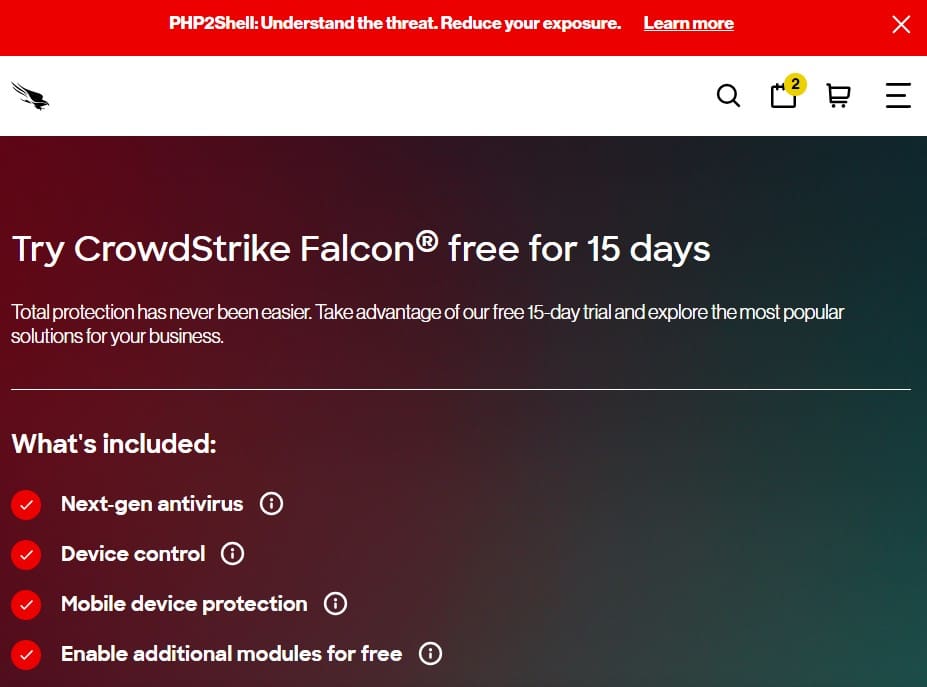
CrowdStrike is best known for endpoint detection and response, but it also offers firewall control and network visibility, tied into the same cloud platform.
The AI looks at user and device behavior first, then pushes smarter firewall rules based on what it sees. If the system thinks a host is moving sideways through the network in a suspicious way, it can quickly tighten access around it. This is especially helpful for companies that already use CrowdStrike and want the network layer to respond in line with endpoint alerts.
8. Zscaler

Zscaler acts like a cloud-based checkpoint for user traffic. Instead of routing everything through a physical box in the office, traffic flows through Zscaler’s service, which then applies policies and inspection.
Its AI features help it recognize new apps, understand how people are using cloud services, and point out access patterns that look odd. For example, if one user suddenly starts pulling data from several new SaaS tools at unusual hours, the system can call such behavior out and apply stricter rules.
When security gateways enforce strict application-level packet inspection, legitimate multimedia traffic or streaming tools can occasionally trigger connectivity warnings, similar to issues users face when troubleshooting why a firewall may be blocking Spotify on desktop networks.
9. Forcepoint

Forcepoint’s firewall focuses on how people interact with data as much as how packets move across the wire. The AI looks for behavior that feels off compared to a person’s normal routine.
You might see it flag an employee who starts copying sensitive documents to unfamiliar locations or who connects to destinations that do not match their job role. The firewall can then react by tightening access or requiring more checks. This user-focused style is helpful in fields where protecting data from both outside attackers and internal misuse is a top priority.
10. Hillstone Networks

Hillstone is sometimes less visible than the biggest global brands, but it has been winning more enterprise customers, especially in fast-growing markets.
Its AI models look for unusual traffic patterns rather than just known malicious signatures. The interface tends to favor clear charts and simple views, which can be easier for smaller security teams to work with. For companies that want modern detection features without a very complex setup process, Hillstone can be a practical option.
Final Thoughts
Choosing an AI-powered firewall is not just about ticking a box on a checklist. It should feel like you are adding a smart extra pair of eyes to the team. Start with the basics. Look at what you already use, what skills your staff has, and where your biggest gaps are.
For something like the Check Point AI-Powered Firewall or any of the other tools on this list, ask a few simple questions. Is it easy for your team to understand the alerts it gives you? Can it work with the systems you already rely on? Does it actually cut down noise, or does it just create more screens to watch?
If the answers feel right, you will know. The best AI firewall is the one that helps your people spot trouble faster and sleep a little better at night, without turning day-to-day security work into a constant fight with the tool itself.
Was this helpful?
Last updated on 06 November, 2026
Read Next
 Three Best Mechanical Keyboards to Get In 2026
Mechanical keyboards are the go-to if you need to use them for any extended amount of time.
 Google Drive Desktop 2026: Ransomware Detection & Restore Explained
Quite a lot of our day-to-day workflow now happens in the Cloud, whether by convenience or necessity.
 Best Proxy Providers to Buy From in 2026: Tested & Compared
Choosing a proxy provider used to be straightforward.
 Best Android Apps for Budgeting in 2026
Most people do not fail at budgeting because they do not know what a budget is.
 Where Your Paycheck Should Actually Live: 6 Everyday Bank Accounts Worth Switching To in 2026
Most people pick a bank once and never look back, even as fees and interest rates have changed underneath them.
 Looking for Adobe Acrobat Alternative? Check out This Great AI Powered UPDF Editor
When it comes to PDFs, Adobe Acrobat is one of the first tools that comes to mind.
 Tech-Powered Travel Safety: Apps and Gadgets That Keep You Protected
Exploring the world around us is fun.
 8 Fixes for “Your Device Is Missing Important Security and Quality Fixes” on Windows
Is there anything more frustrating than seeing the "Your Device Is Missing Important Security and Quality Fixes" message when waiting for your Windows updates to complete?
The article above may contain affiliate links which help support Guiding Tech. The content remains unbiased and authentic and will never affect our editorial integrity.