
Microsoft 11 has drawn as much ire as praise from users for its heavy focus on AI, unwanted integrations, and a lack of response to customer feedback and complaints. With Microsoft’s stocks taking a dive and its reputation following suit, has the new year shown Microsoft AI releases will be slowing down? Let’s take a closer look.
The Users Fight Back
There are definite signs of AI fatigue across the industry. ChatGPT has come under fire for its involvement in the recent conflict in Iran, and a recent landmark ruling in a California Court has reiterated that users of LLMs have no rights to own what they generate.
Microsoft is no exception to this backlash. From Copilot’s integration into nearly every facet of Windows 11, to the massive backlash against rumors of further AI integration in Windows 12, to increasing concerns of data privacy, there’s a drive to make the PC personal again.
Copilot Taking a Backseat
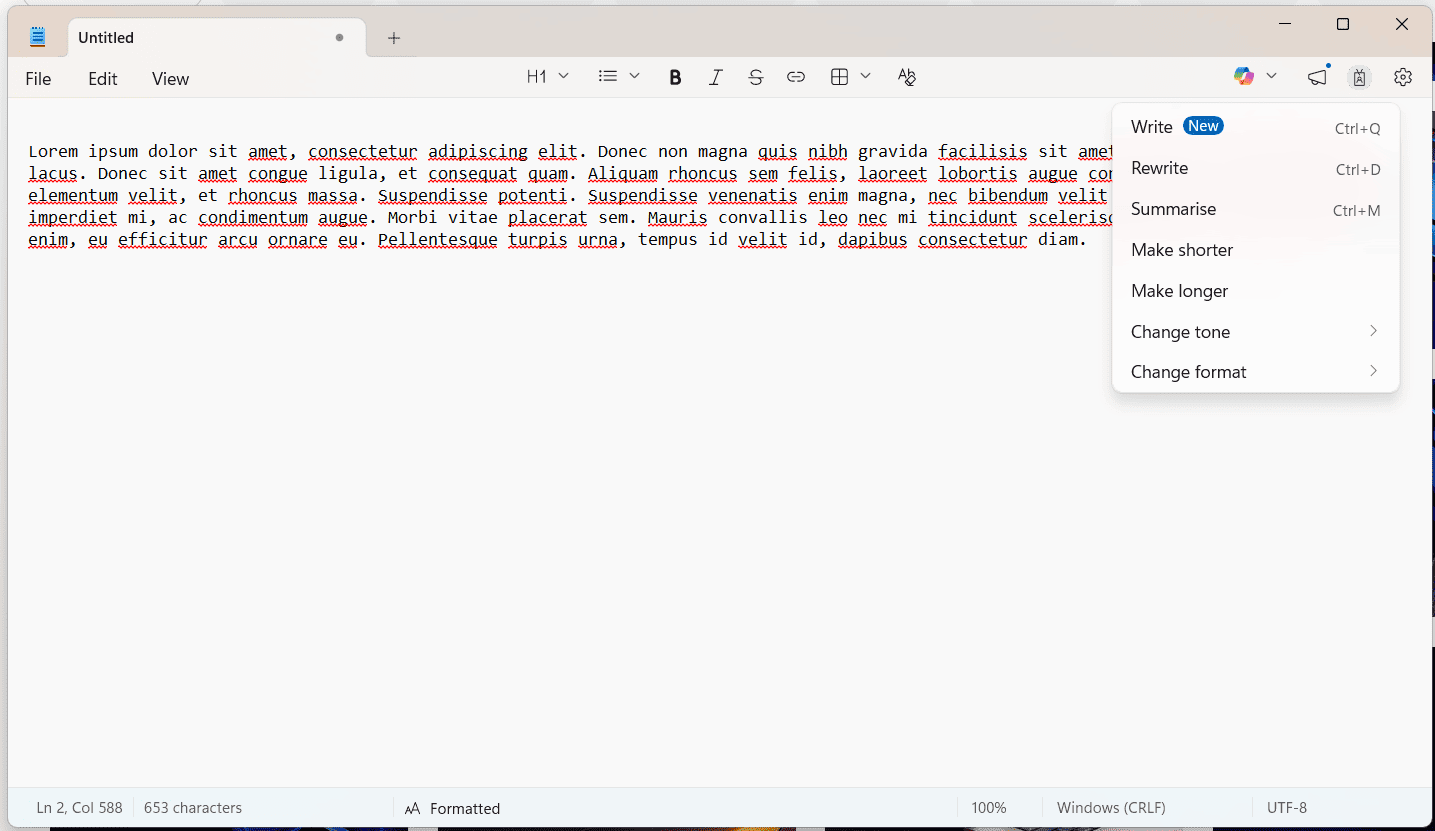
Microsoft AI features have been pushed on users hard, and none more so than Copilot. It seems no matter what app you open, Copilot is there, even if it’s not welcome. The tool has borne the brunt of criticism, and it seems like the rollback of AI is beginning with it, too. Microsoft has quietly begun removing Copilot from several apps, including:
- The snipping tool
- Notepad
- Widgets
- Photos
Further Rollback of Microsoft AI Releases?
While the toning down of Copilot is a start, it’s unclear whether further AI integration from apps and Windows 11 as a whole will be carried out in further updates. The official statement from EVP, Pavan Davuluri, remained frustratingly vague as to what changes would be carried out. It seems that only time will tell what will be removed or scaled back, but if the quiet removal of Copilot is anything to go by, it won’t be a major announcement.
Extending the Olive Branch
To earn back the goodwill of users who are upset with forced AI integration and to stop further migration to Linux and Apple, Microsoft has started including long-requested features, as well as scaling back others. Here are some recent examples:
- Windows 11 will soon have the ability to resize the taskbar and pin it to either side of the screen, a feature present in every Windows version before.
- More control over updates, including where and when to install them.
- The ability to control the clutter of Feeds and Widgets for a less distracting experience.
- An improved Feedback Hub to make reporting and requesting much easier.
What is clear from these two strategies is that Microsoft has realized the importance of its user base and is attempting to win back much of its lost goodwill with the forced adoption and integration of what users have derisively dubbed “Microslop.”
Was this helpful?
Last updated on 26 April, 2026
Read Next
 7 Best Ways to Fix Microsoft Teams Won’t Share Screen
Microsoft Teams has come a long way since its inception, and they keep adding new features to their product all the time.
7 Best Ways to Fix Microsoft Teams Won’t Share Screen
Microsoft Teams has come a long way since its inception, and they keep adding new features to their product all the time.
 How to Share Video With Sound on Zoom, Microsoft Teams, and Google Meet
How to Share Video With Audio in Microsoft Teams The feature to share your screen containing the video and its sound in Microsoft Teams is limited to the Windows app
How to Share Video With Sound on Zoom, Microsoft Teams, and Google Meet
How to Share Video With Audio in Microsoft Teams The feature to share your screen containing the video and its sound in Microsoft Teams is limited to the Windows app
 Should You Use Tracking Prevention in Microsoft Edge
What Is Tracking Prevention on Microsoft Edge Browser trackers are web page tags that collect information about your online habits and preferences to build a profile for targeted advertising.
Should You Use Tracking Prevention in Microsoft Edge
What Is Tracking Prevention on Microsoft Edge Browser trackers are web page tags that collect information about your online habits and preferences to build a profile for targeted advertising.
 How to Create a Custom Form in Microsoft Outlook
Microsoft Outlook leats you create a Form.
How to Create a Custom Form in Microsoft Outlook
Microsoft Outlook leats you create a Form.
 6 Ways to Fix Sync Issues on Microsoft Edge
Fix 1: Ensure Sync Is Enabled Microsoft Edge may fail to sync your browsing data across devices if sync is disabled.
6 Ways to Fix Sync Issues on Microsoft Edge
Fix 1: Ensure Sync Is Enabled Microsoft Edge may fail to sync your browsing data across devices if sync is disabled.
 3 Ways to Add Tags in Microsoft Word
Method 1.
3 Ways to Add Tags in Microsoft Word
Method 1.
 How to Send Recurring Emails in Microsoft Outlook
Set up Recurring Emails Using Power Automate The purpose of setting up a recurring email is to ensure the email is sent out automatically during the required period.
How to Send Recurring Emails in Microsoft Outlook
Set up Recurring Emails Using Power Automate The purpose of setting up a recurring email is to ensure the email is sent out automatically during the required period.
 6 Cool Things You Can Do with Telegram’s New Microsoft Copilot AI Bot
Telegram's latest addition is the integration of Microsoft’s Copilot AI bot.
6 Cool Things You Can Do with Telegram’s New Microsoft Copilot AI Bot
Telegram's latest addition is the integration of Microsoft’s Copilot AI bot.
The article above may contain affiliate links which help support Guiding Tech. The content remains unbiased and authentic and will never affect our editorial integrity.