


One of our favorite features of the iPhone is the AssistiveTouch. It brings all the important controls within a floating button that can be accessed anywhere. However, Android users aren’t left out as well – over the last few years, all the popular Android manufacturers have included this feature. If you aren’t aware, here’s how you can get assistive touch on your Android device.
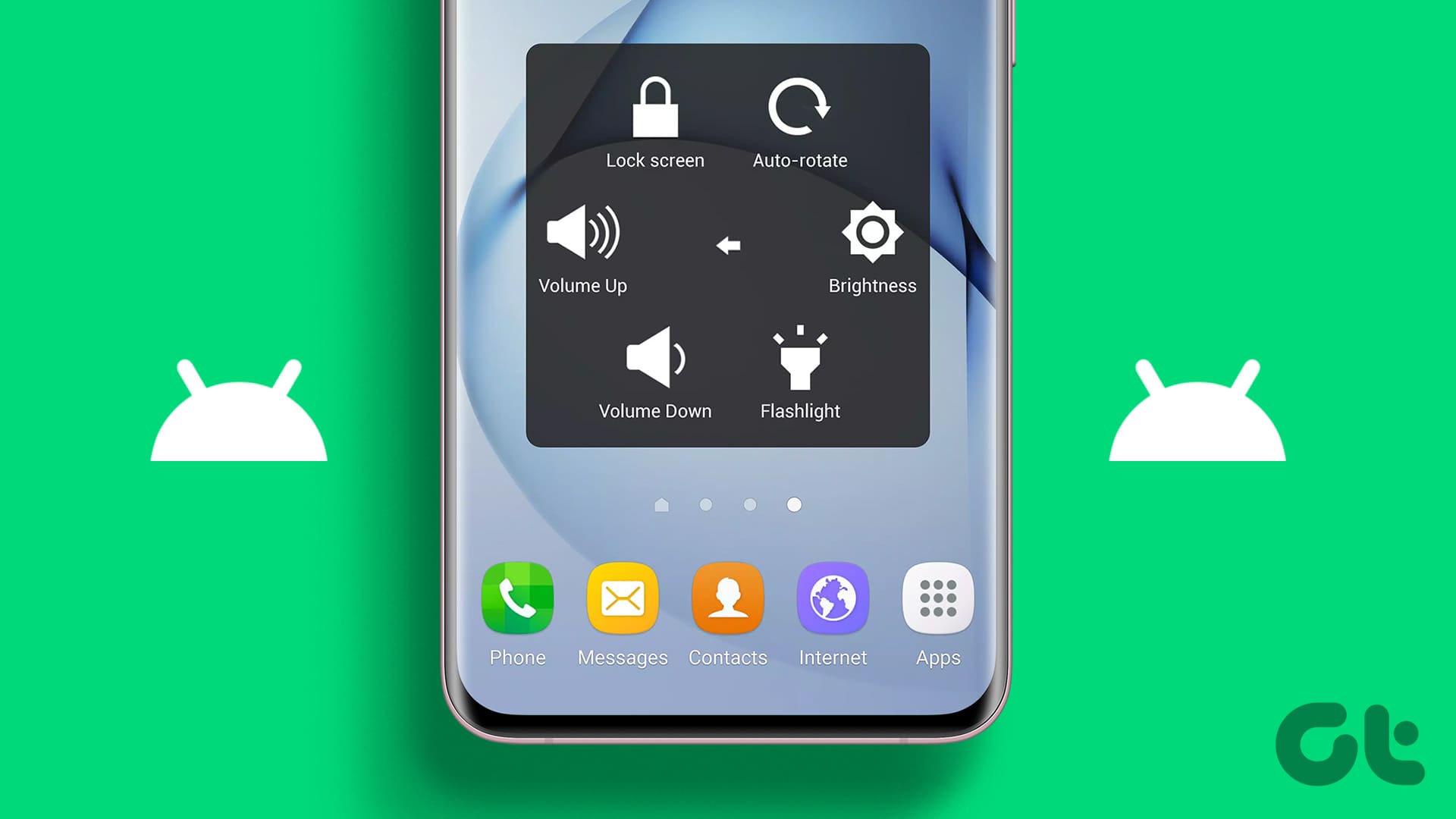
We’ll list the procedure for Samsung, OnePlus, and Pixel devices. If you’re using any other Android device – the procedure is likely to remain similar. Don’t be disappointed if you don’t find the feature – you can use a third-party app from the Play Store.
Also Read: How to use one-handed mode on iPhone and Android.
How to Enable and Use Accessibility Menu (Button) on Android
On most Android devices, this feature is called the Accessibility Menu, Assistive Ball, Assistive Menu, or even Quickball. Here’s how you can enable it from the Settings app on your Android device.
Enable Assistant Menu on Samsung Devices
Step 1: Open the Settings app. Tap on Accessibility.
Step 2: Tap on ‘Interaction and Dexterity’.


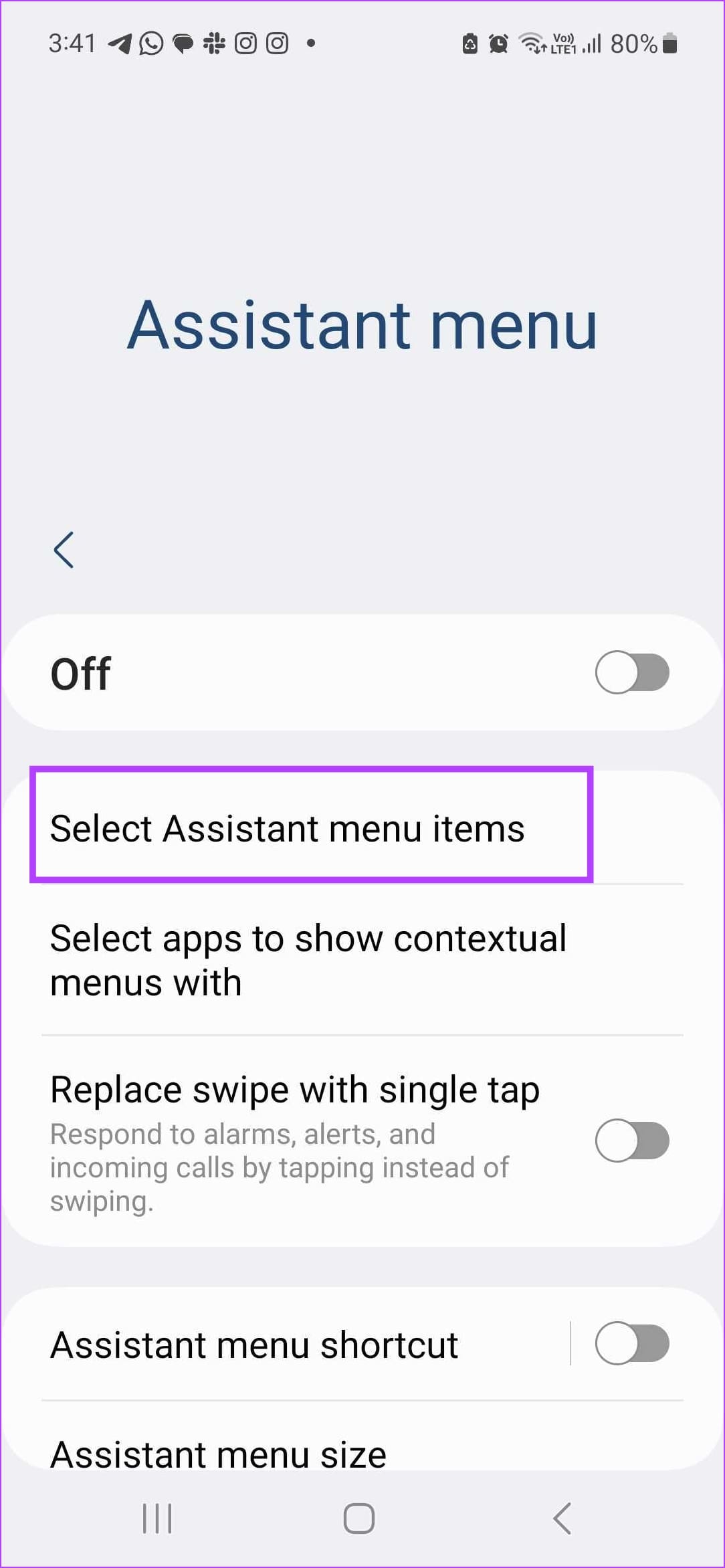
Step 3: Turn on the toggle for ‘Assistant Menu’, and tap on Allow. The Assistant Menu will open when you tap on the floating button on the screen.


Step 4: Tap on the Assistant menu for more settings. You can customize the size and the transparency of the Assistant Menu button.
Further, you can customize the items present in the menu by selecting the ‘Select Assistant Menu’ items option.

Enable Accessibility Menu in Pixel Devices
Step 1: Open the Settings app. Tap on Accessibility.
Step 2: Tap on the Accessibility menu.


Step 3: Turn on the toggle for Accessibility Shortcut Menu.
Step 4: Tap on Allow to grant the permissions.


Step 5: Tap on the shortcut on your screen to open the menu. You will see a list of items, and you can tap on the arrow mark icon to proceed to the next set of items.


Enable Assistive Ball on OnePlus Devices
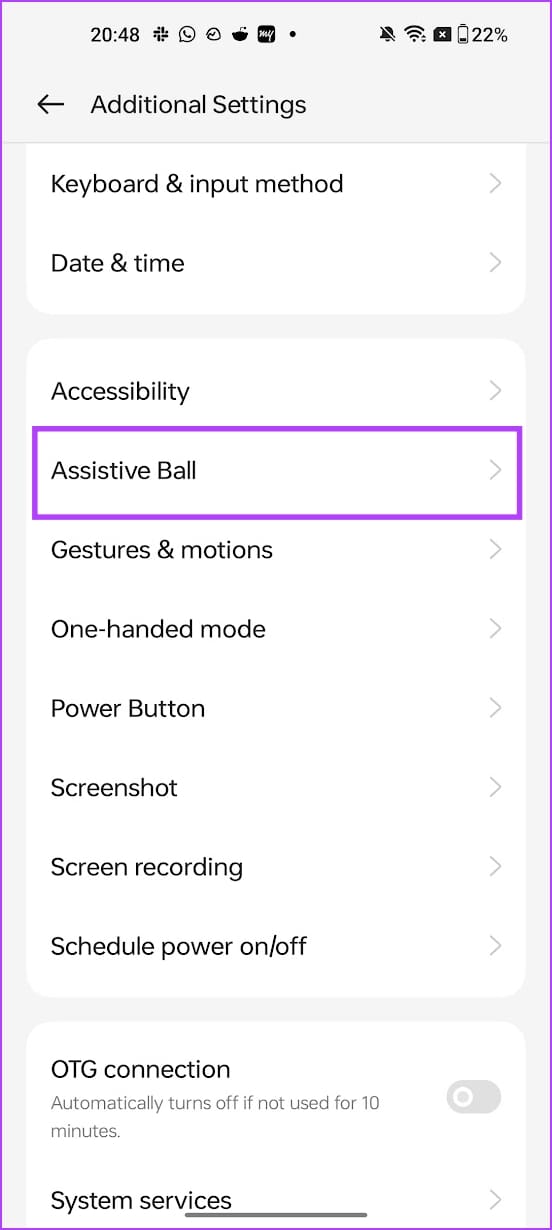
Step 1: Open the Settings app. Tap on Additional Settings.
Step 2: Select Assistive Ball.


Step 3: Turn on the toggle for Assistive Ball. Check the box for Tap Menu to enable a menu of options whenever you tap the floating button.
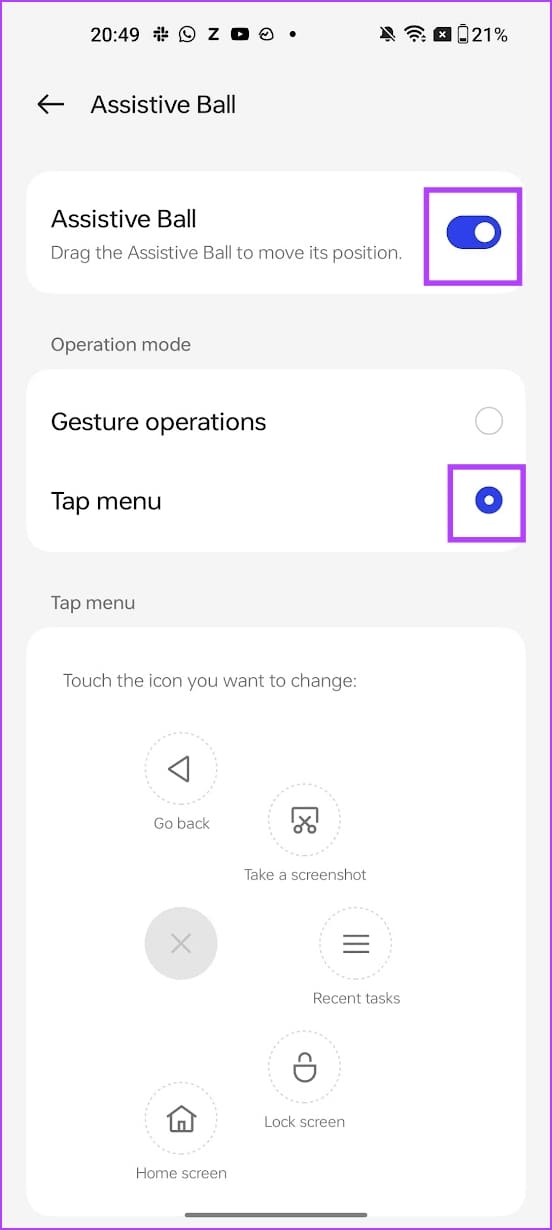
Step 4: In the settings page, you can tap on an icon that you want to replace in the Assistive Ball. Further, you can also control the transparency of the Assistive Ball.

As mentioned earlier, you can make use of a third-party app if you cannot find and enable the assistive touch feature on your Android device.
Use the Assistive Touch For Android App
Here’s a well-designed app called Assistive Touch for Android that you can download from the Play Store. Not only does it have the same name, but it also looks like the Assistive Touch feature that is present on the iPhone. You can add all the essential controls and beyond to the floating button in this app, including features like screen recording, and enabling the flashlight. You can also customize the color and the look of the floating button.
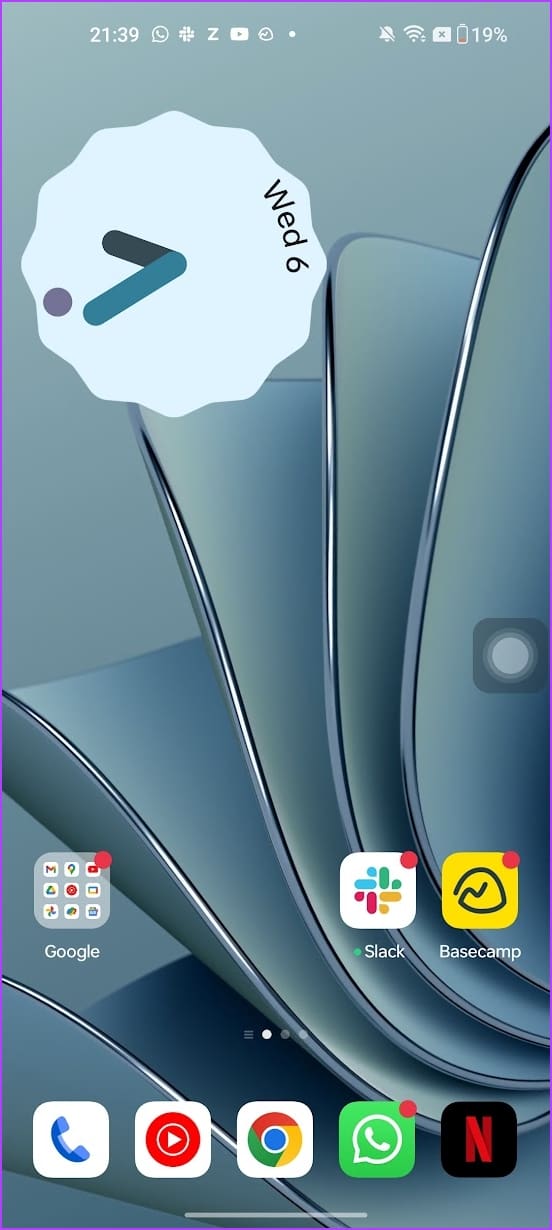

That is everything you need to know on how to get an iPhone like Assistive Touch on Android. If you have any further questions, take a look at the FAQ section below.
FAQs: Assistive Touch on Android
You can check out this article that’ll help you remove the floating button on your Android device.
Easy Touch is another good alternative to enable the assistive menu on your Android device.
Get iPhone Like Assistive Touch on Android
We hope this article helps you enable assistive touch on Android. What other feature from the iPhone that you’d love to use on your Android device? Do let us know in the comment section below!
Was this helpful?
Last updated on 24 August, 2024
Read Next
 How to Change iPhone’s Touch Sensitivity Settings
How to Change Your iPhone’s Touch Sensitivity Settings If your iPhone feels too sensitive or responsive, adjust the settings.
How to Change iPhone’s Touch Sensitivity Settings
How to Change Your iPhone’s Touch Sensitivity Settings If your iPhone feels too sensitive or responsive, adjust the settings.
 10 Best Ways to Fix Ghost Touch On iPhone
The iPhone was one of the first devices to introduce multi-touch capabilities to the masses.
10 Best Ways to Fix Ghost Touch On iPhone
The iPhone was one of the first devices to introduce multi-touch capabilities to the masses.
 Top 3 Touch Mouse Alternatives to Apple’s Magic Mouse
The Magic Mouse is useful for plenty of people, but some can get annoyed by its poor ergonomics.
Top 3 Touch Mouse Alternatives to Apple’s Magic Mouse
The Magic Mouse is useful for plenty of people, but some can get annoyed by its poor ergonomics.
 How to Enable and Use Touch Keyboard on Windows 11
How to Enable Touch Keyboard on Windows 11 Enabling the Touch Keyboard on Windows 11 is quite straightforward.
How to Enable and Use Touch Keyboard on Windows 11
How to Enable Touch Keyboard on Windows 11 Enabling the Touch Keyboard on Windows 11 is quite straightforward.
 5 Fixes for Touch Controls Not Working on AirPods and AirPods Pro
Fix 1: Clean the Outer Surface of the AirPods The touch sensors on the AirPods need to detect proper contact with your fingers to register a touch or a press.
5 Fixes for Touch Controls Not Working on AirPods and AirPods Pro
Fix 1: Clean the Outer Surface of the AirPods The touch sensors on the AirPods need to detect proper contact with your fingers to register a touch or a press.
 Top 5 Ways to Install Android App Bundles on Android
Google is moving to adopt Android App Bundles (AAB) as a new file format and bidding farewell to the APK (Android Package) format.
Top 5 Ways to Install Android App Bundles on Android
Google is moving to adopt Android App Bundles (AAB) as a new file format and bidding farewell to the APK (Android Package) format.
 How to Transfer Text Messages (SMS) From Android to Android
Boasting an easy-to-use interface, Android devices are the choice of more than half of smartphone users worldwide.
How to Transfer Text Messages (SMS) From Android to Android
Boasting an easy-to-use interface, Android devices are the choice of more than half of smartphone users worldwide.
 How to Add Google Search Bar to Home Screen on Android and iPhone
On Android Step 1: Tap and hold a space on your home screen, and tap on Widgets.
How to Add Google Search Bar to Home Screen on Android and iPhone
On Android Step 1: Tap and hold a space on your home screen, and tap on Widgets.
The article above may contain affiliate links which help support Guiding Tech. The content remains unbiased and authentic and will never affect our editorial integrity.

