


Method 1: Compress and Send
ZIP archive files work like a standard folder on your computer. With zipped files, the contents are compressed to reduce file size. A recipient can extract the file and use it in the original format.
Compress on Mac
Step 1: Open Finder on Mac and select the files you want to compress.
Step 2: Right-click on them and select Compress from the context menu.
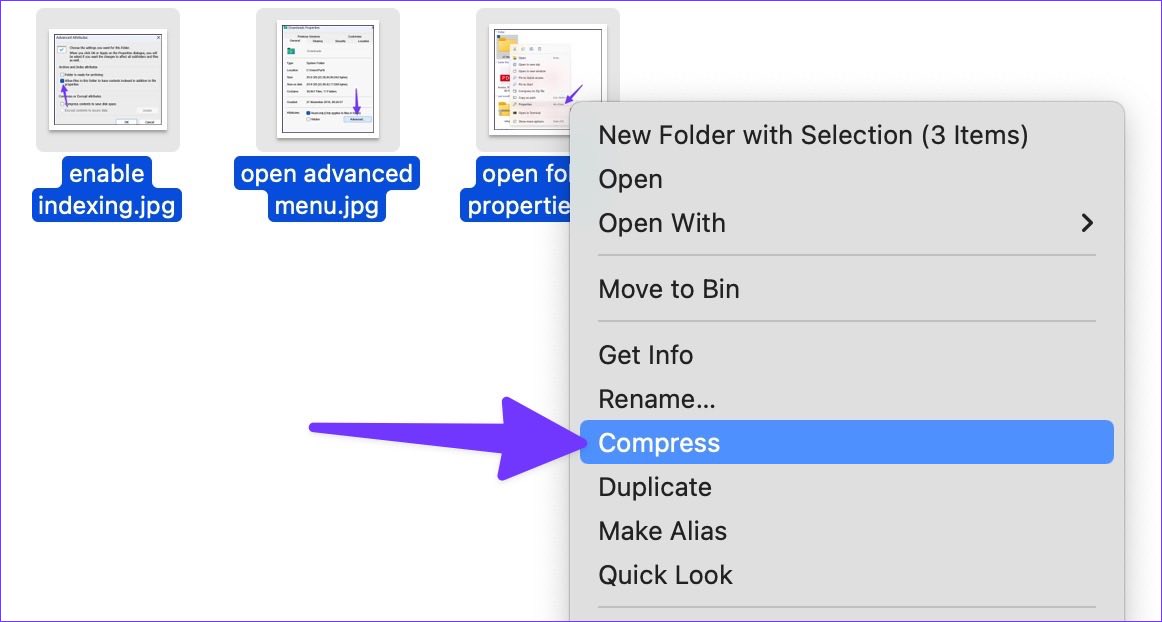
Step 4: macOS will create a ZIP file.
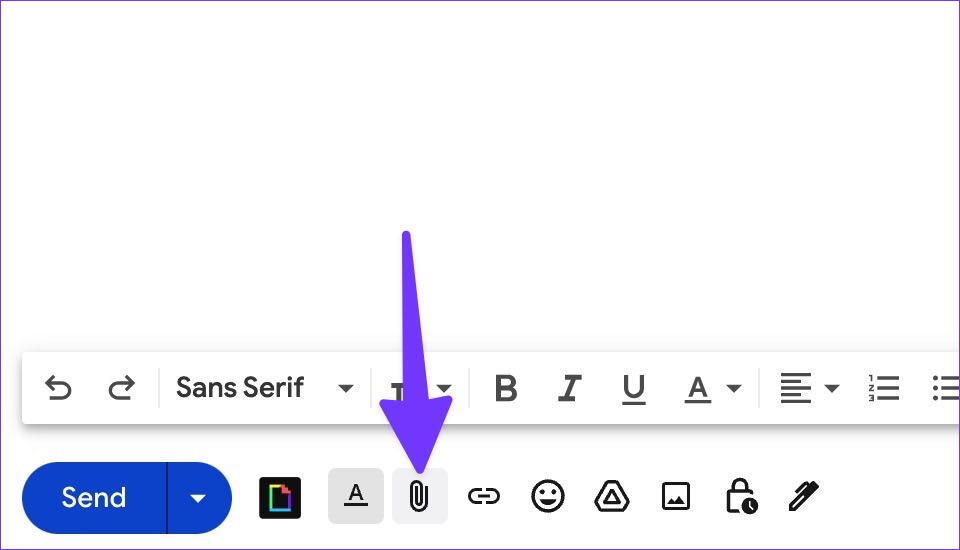
You can now compose an email in Gmail, click the attachment icon, and attach the ZIP file to send.
Compress on Windows
Step 1: Press Windows + E keys to open the File Explorer menu.
Step 2: Select the media files you want to compress.
Step 3: Right-click on them and select Compress to ZIP file from the context menu.
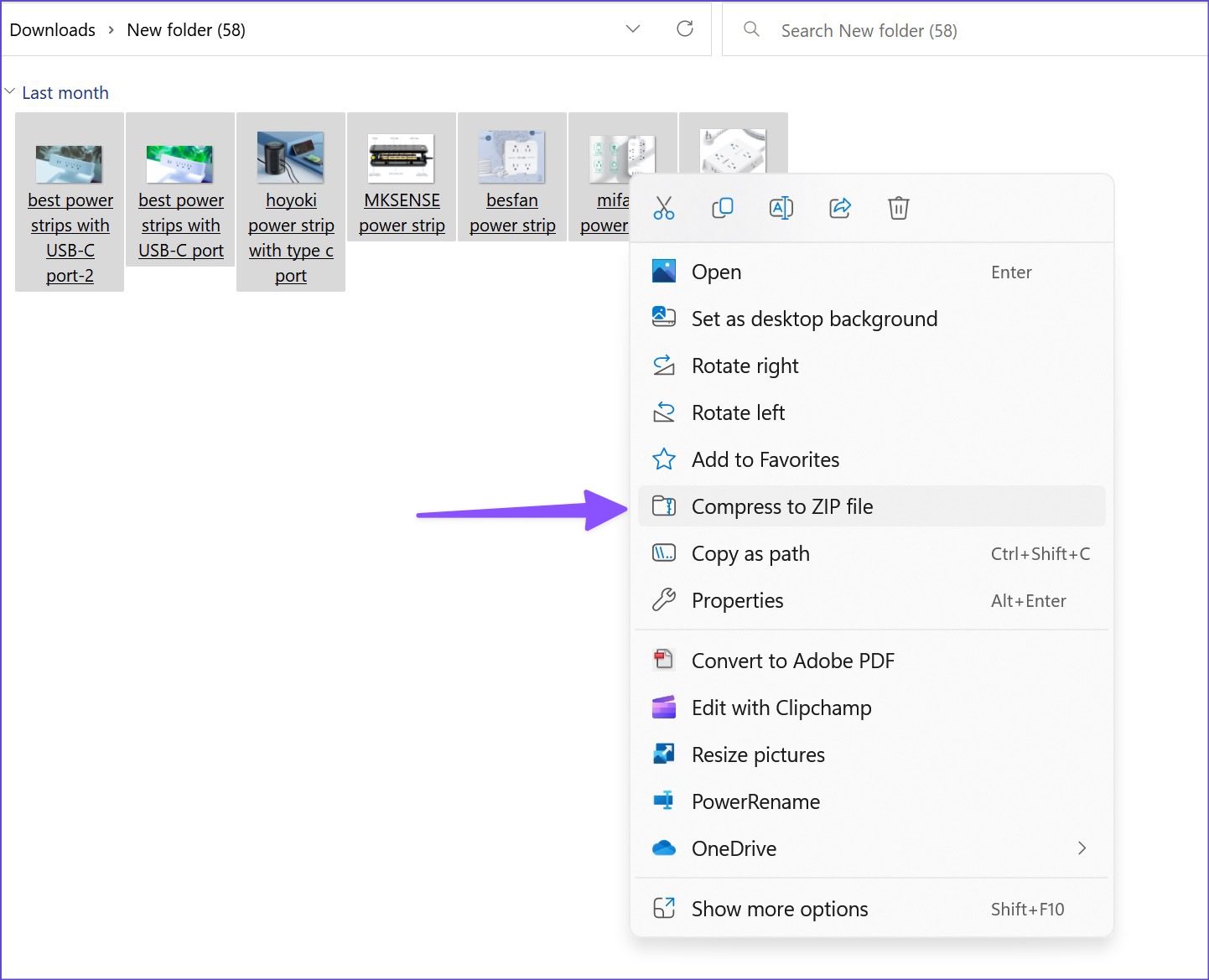
Step 4: File Manager will create a ZIP file to share on Gmail.

You can now compose an email in Gmail, click the attachment icon, and attach the ZIP file to send.
You may check out various ways to reduce a file size.
Method 2: Using Google Drive Link
All personal Google accounts get 15 GB of free storage. You can upload your large files to Google Drive and generate a sharing link to send over Gmail.
Step 1: Visit Google Drive on the web.
Step 2: Log in with your Google account details.
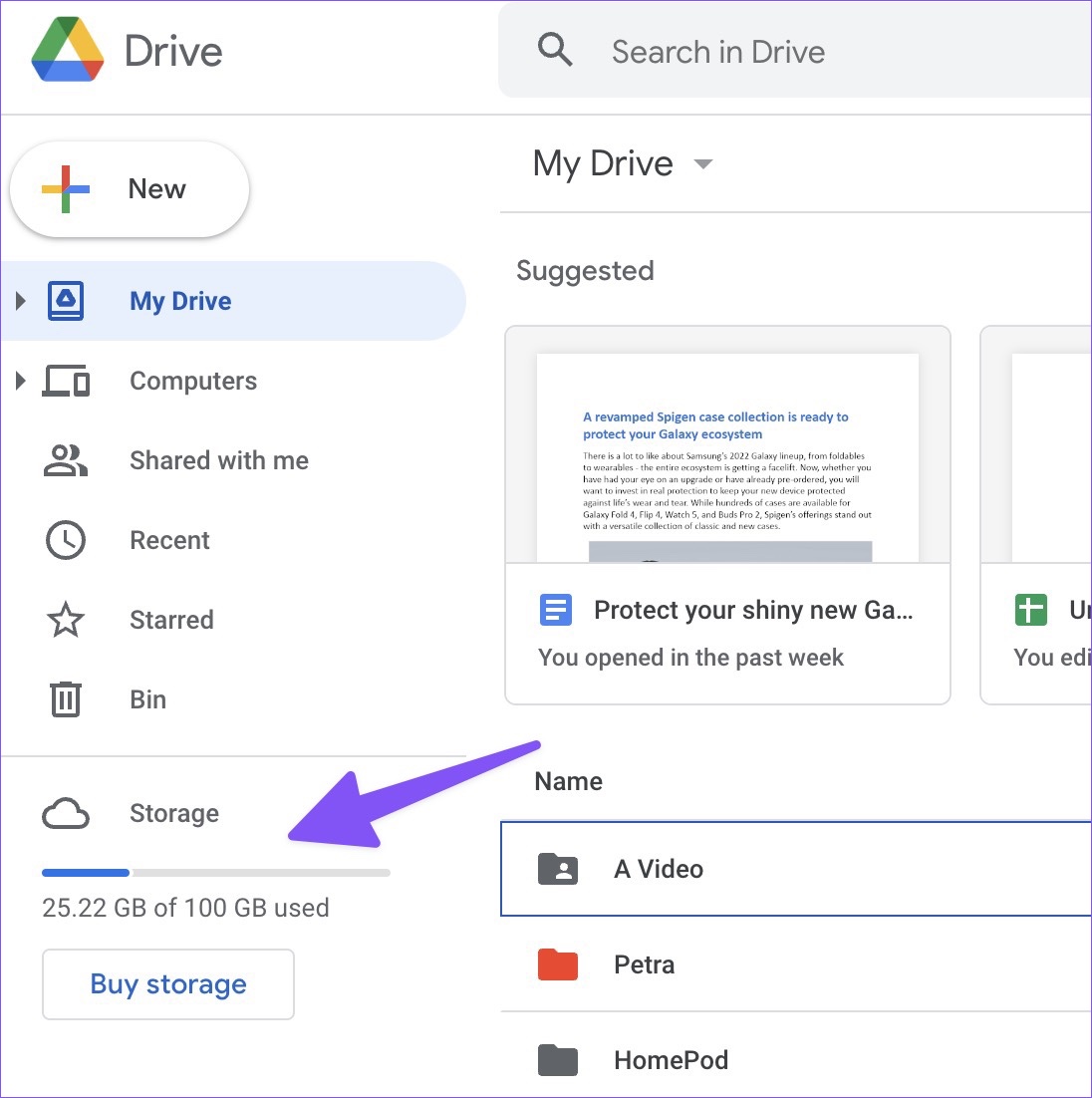
Step 3: Check the available Drive storage from the left sidebar.
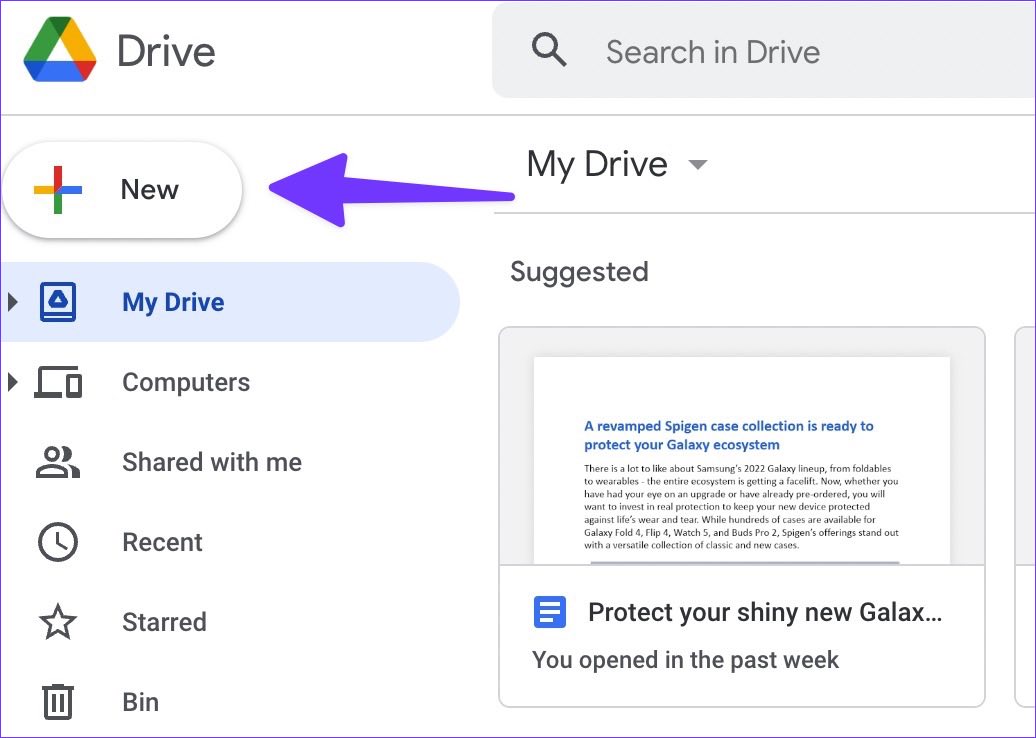
Step 4: Select the New button in the top-left corner and click File upload.
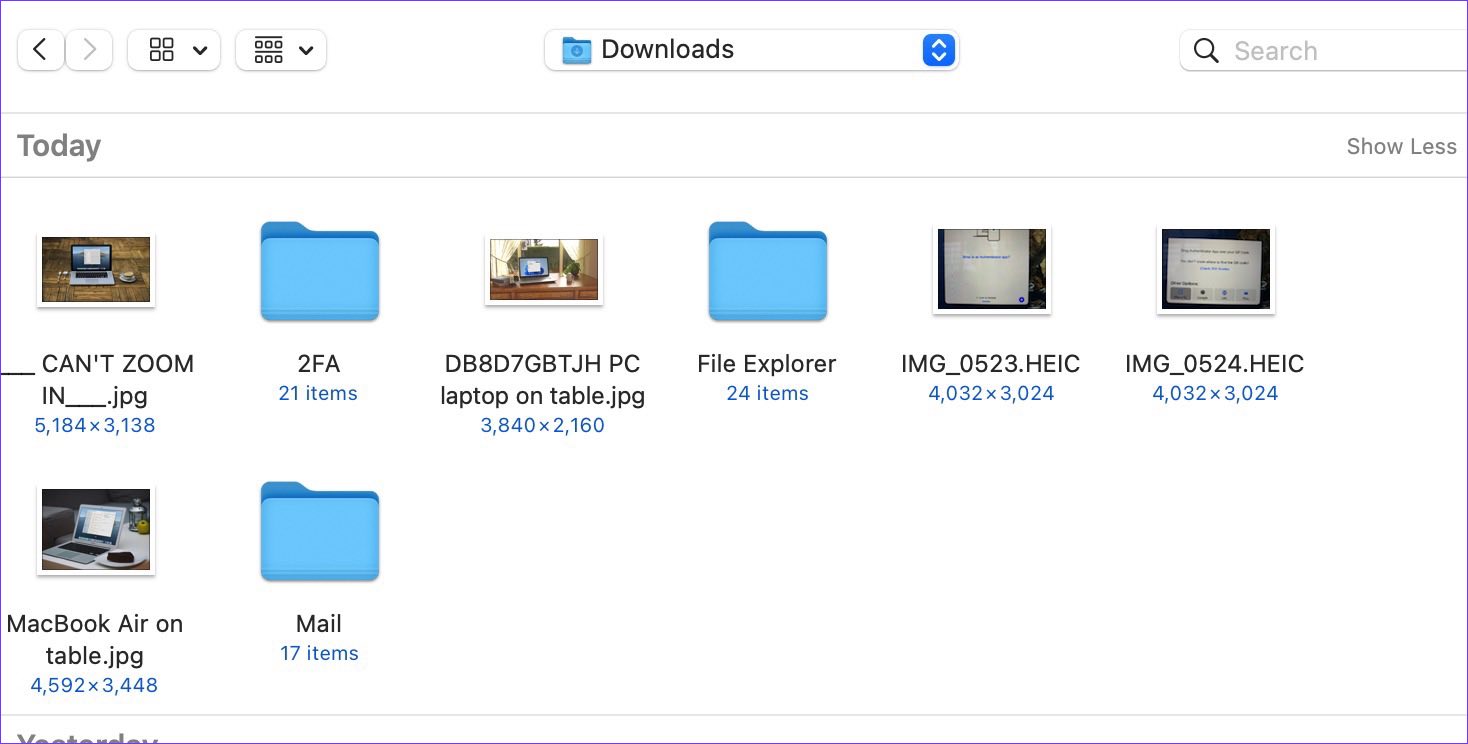
Step 5: Select the files you want to send over Gmail.
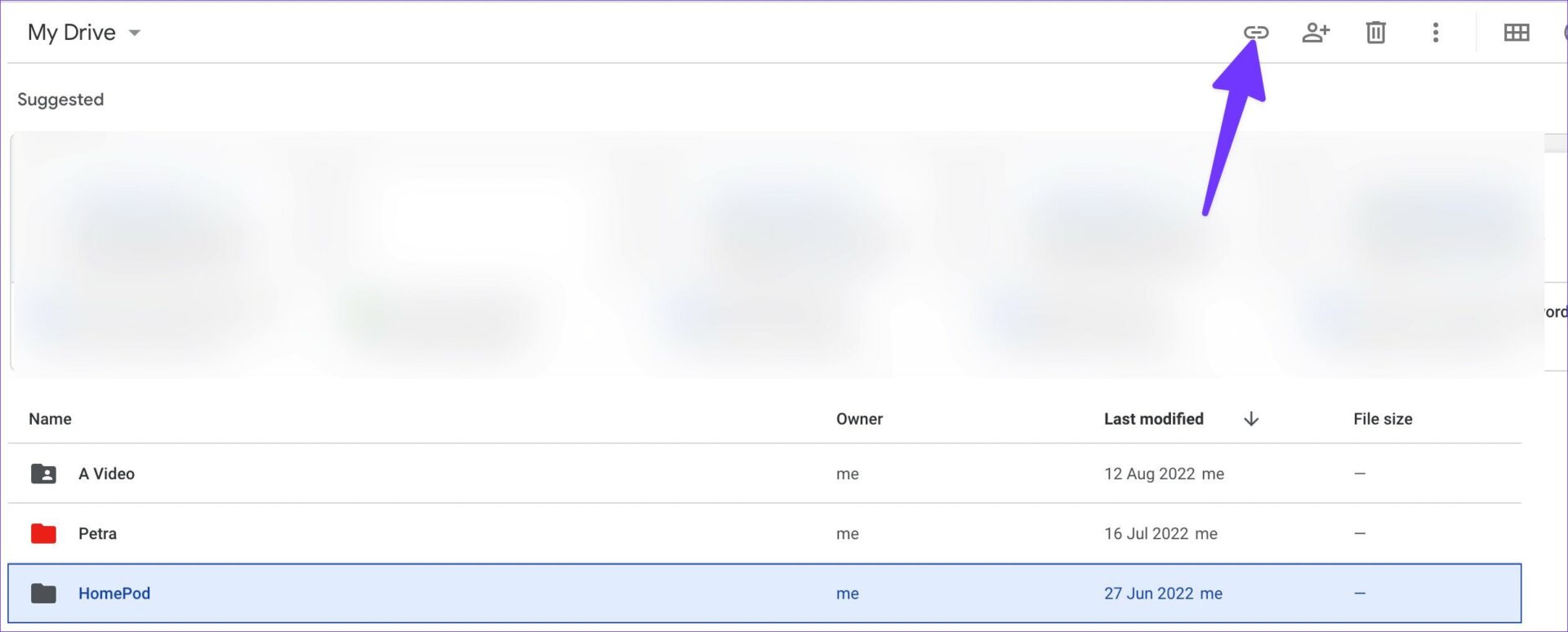
Step 6: Once you upload files to Google Drive, select it and click the link icon at the top.
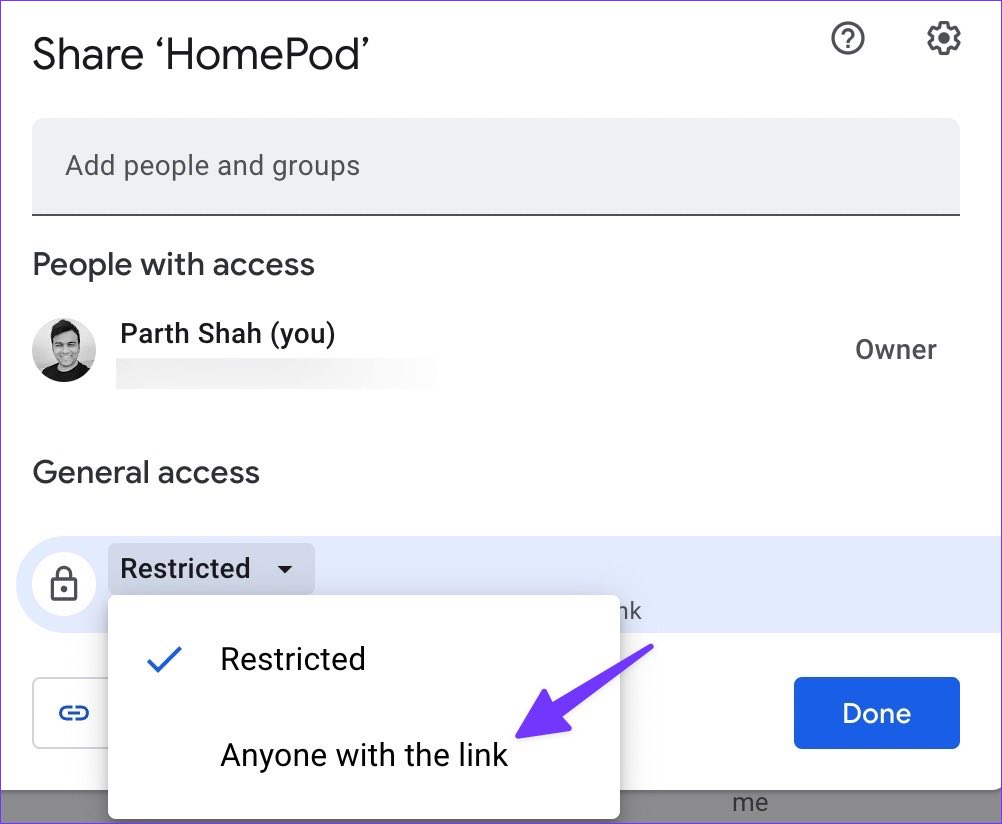
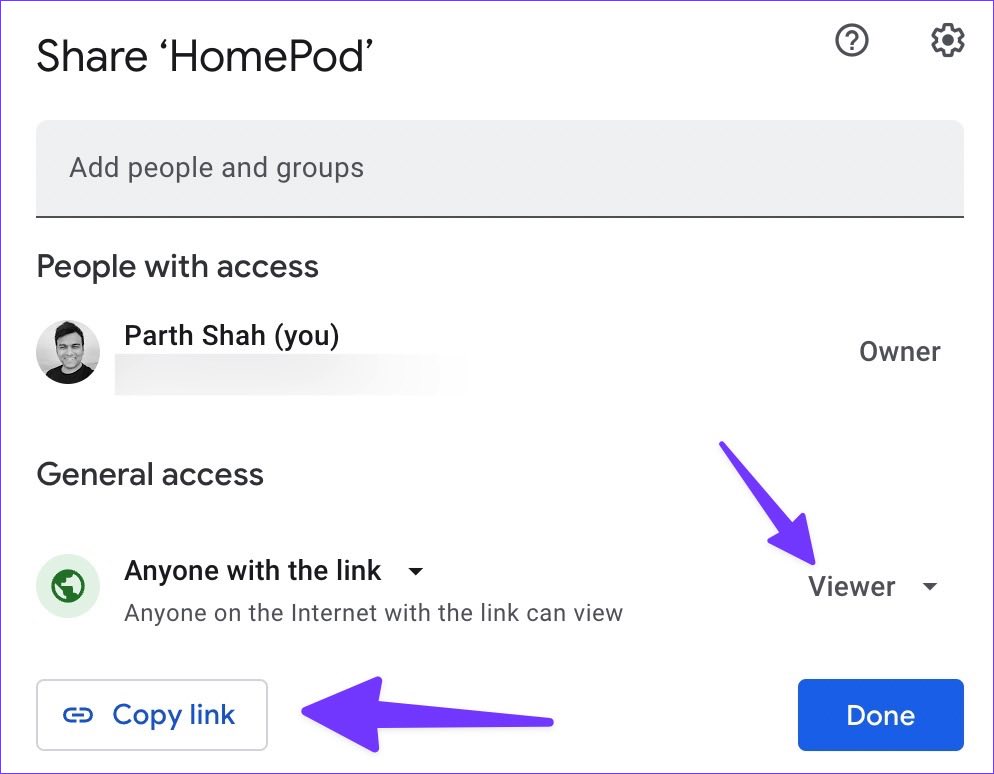
Step 7: The general access is restricted by default. Expand it and select Anyone with the link.
Step 8: Select from three permissions for the recipient – Viewer, Commenter, or Editor. Select the Copy link button.
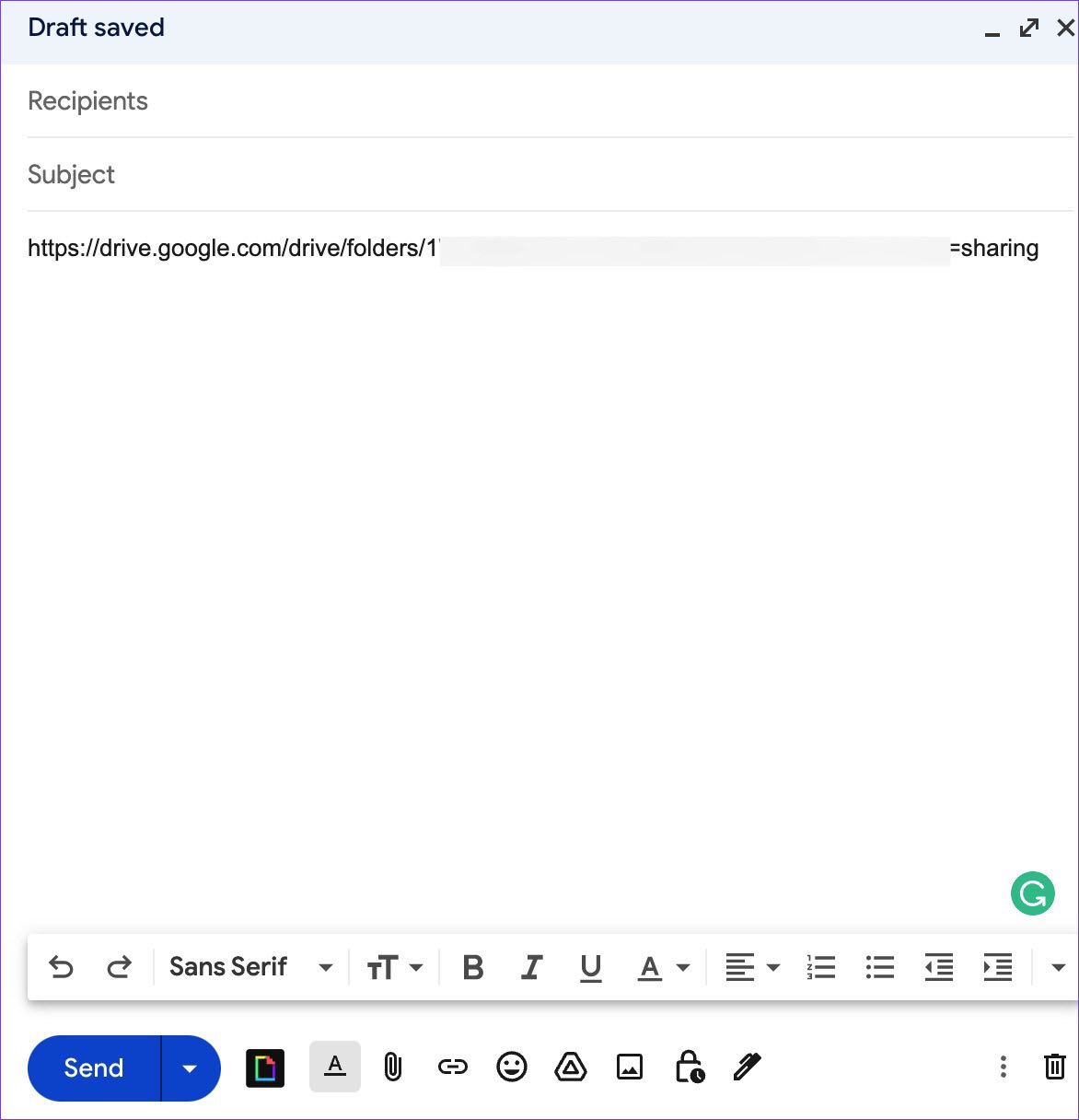
Step 9: Open Gmail online and log in with your Google account details, then Compose a new email, add the recipient’s email address and subject, and paste the Google Drive link.
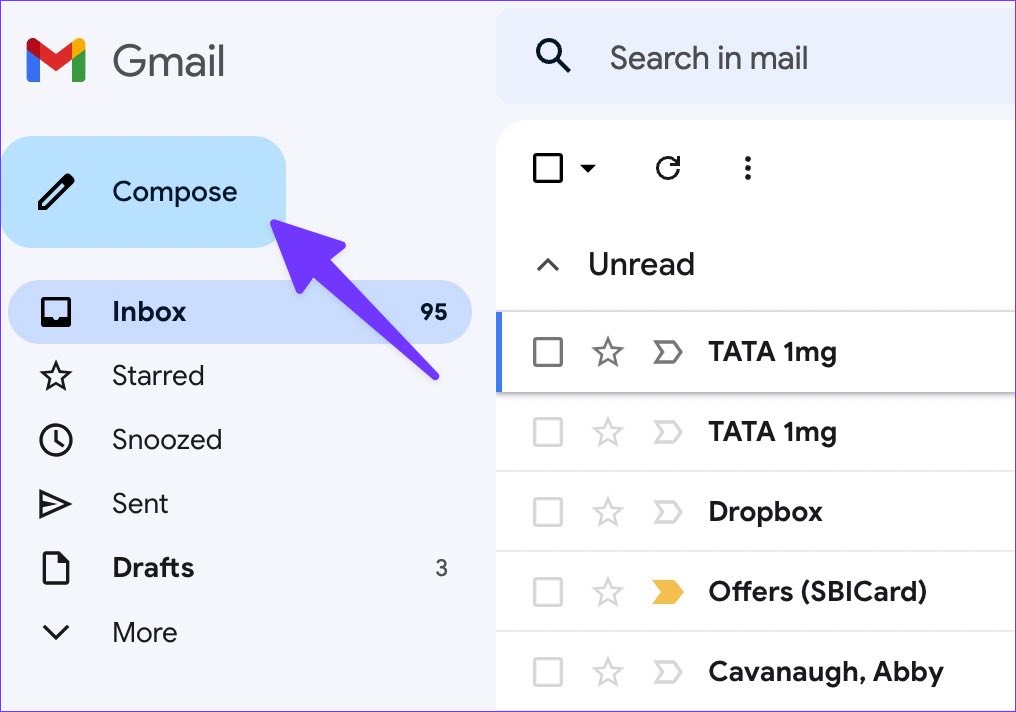
Step 10: Hit the Send button.
Method 3: Using OneDrive Link
While Google Drive is ideal for consumers, professionals may want extra security when sharing sensitive files. Microsoft’s OneDrive is a good choice for sharing large files in a professional environment. Follow the steps below.
Step 1: Open the OneDrive site in a web browser and sign in with Microsoft account details.
Step 2: Select Create or Upload at the top and select Files Upload or Folder Upload.

Step 3: Select the files you want to upload to OneDrive.
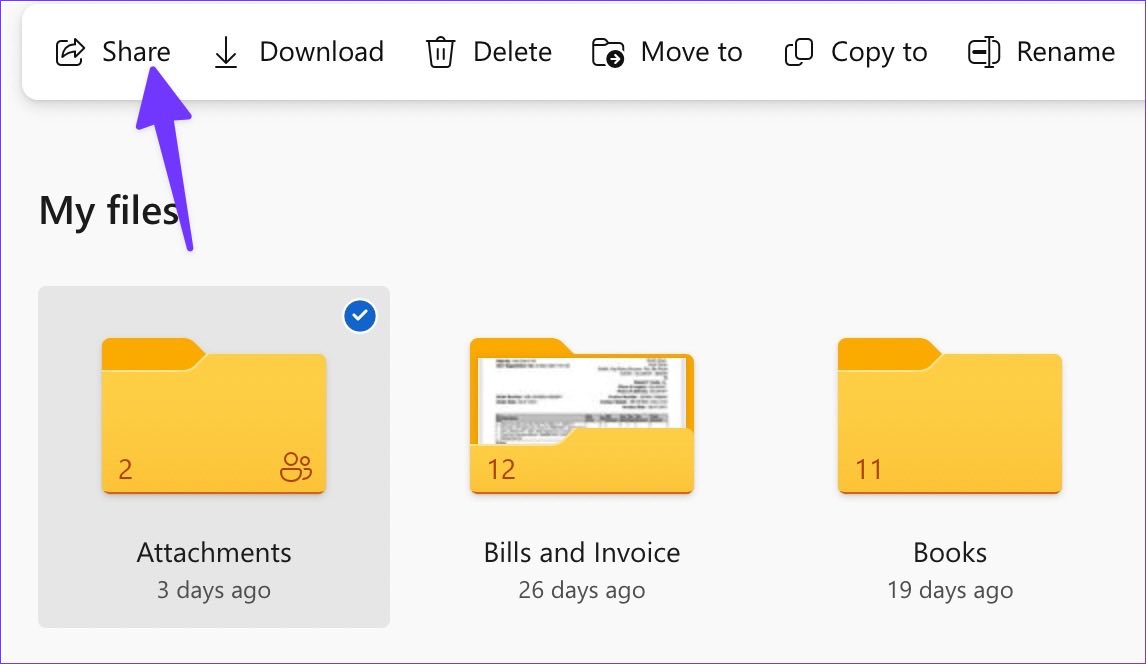
Step 4: Click the file or folder and hit the Share button at the top.
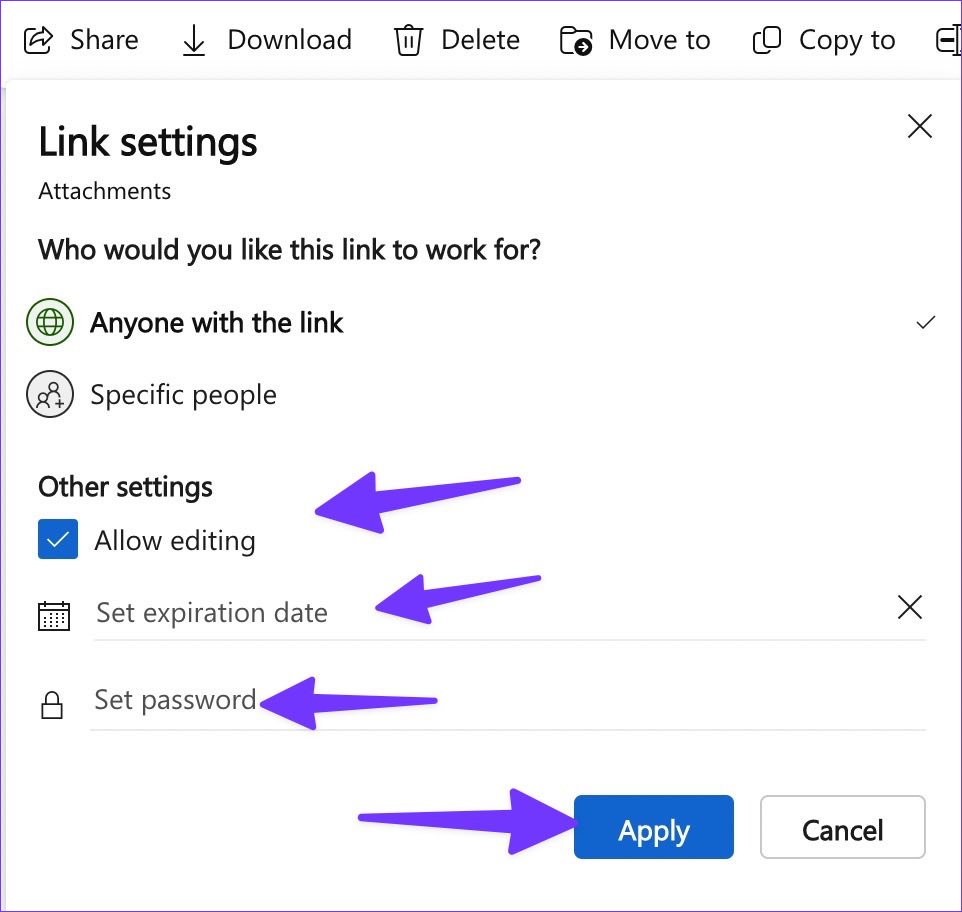
Step 5: Select the Anyone with the link can edit option.

Step 6: Set the expiration date and password if needed, and hit the Apply button.
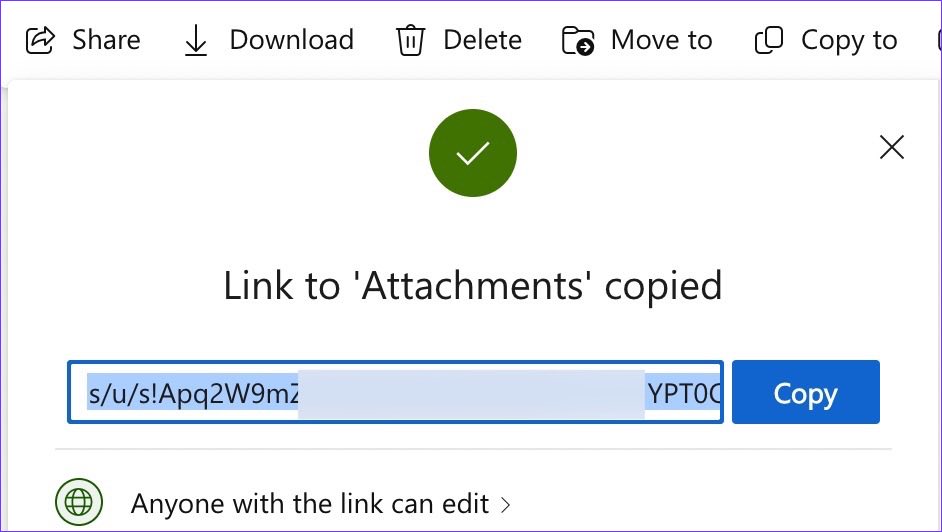
Step 7: OneDrive will generate a link to share on Gmail.
Step 8: Compose an email using Gmail (refer to the steps above).
Step 9: Paste the link and hit the Send button.

Method 4: Send Large Files Using WeTransfer
The WeTransfer method allows you to set an expiration date on the file, just like OneDrive allows. You can add files of up to 2 GB free. The steps are below.
Step 1: Navigate to the WeTransfer site.
Step 2: Click Add files Or select a folder, then select your file.

Step 3: Scroll down, tick the get transfer link, and click the button for Get a link.

Was this helpful?
Last updated on 13 July, 2024
Read Next
 4 Ways to Send Long Videos From iPhone
Method 1: Use AirDrop Apple’s AirDrop is the best and most effective way to send large videos from iPhone to other Apple hardware.
4 Ways to Send Long Videos From iPhone
Method 1: Use AirDrop Apple’s AirDrop is the best and most effective way to send large videos from iPhone to other Apple hardware.
 5 Best Apps to Find Large Files on Android
You always tend to buy a new phone with more space than your previous one.
5 Best Apps to Find Large Files on Android
You always tend to buy a new phone with more space than your previous one.
 3 Ways to Find Large Files on Windows 10 and 11
Method 1: Use File Explorer One of the simplest ways to find large files on your PC is by using File Explorer.
3 Ways to Find Large Files on Windows 10 and 11
Method 1: Use File Explorer One of the simplest ways to find large files on your PC is by using File Explorer.
 Why Is My iPhone Backup Size Too Large
How to Check iCloud Storage and Backup Apple iPhone takes a backup of the phone and stores it on iCloud, the company’s proprietary cloud service that uses Google servers.
Why Is My iPhone Backup Size Too Large
How to Check iCloud Storage and Backup Apple iPhone takes a backup of the phone and stores it on iCloud, the company’s proprietary cloud service that uses Google servers.
 6 Best Table-Top TV Stands For Large TVs
A large-screen TV is one of the building pillars of a great entertainment room.
6 Best Table-Top TV Stands For Large TVs
A large-screen TV is one of the building pillars of a great entertainment room.
 How to Send GIFs in Microsoft Outlook and Gmail
Method 1.
How to Send GIFs in Microsoft Outlook and Gmail
Method 1.
 2 Ways to Fix if You Cannot Send Files on WhatsApp Web
Basic Fixes Check internet speeds: We suggest connecting to a 5GHz Wi-Fi network.
2 Ways to Fix if You Cannot Send Files on WhatsApp Web
Basic Fixes Check internet speeds: We suggest connecting to a 5GHz Wi-Fi network.
 How to Attach Files on Gmail on iPhone and Android
How to Send Photo as an Attachment on Gmail When composing an email, you can access the attachment icon at the top right.
How to Attach Files on Gmail on iPhone and Android
How to Send Photo as an Attachment on Gmail When composing an email, you can access the attachment icon at the top right.
The article above may contain affiliate links which help support Guiding Tech. The content remains unbiased and authentic and will never affect our editorial integrity.

