
Want to hear the text in your PowerPoint presentation read out loud without having to do so yourself? With the PowerPoint Speak feature, otherwise known as text-to-speech, you can. It’s easy to work with and has several uses.
Here’s how to use PowerPoint Speak.
How to Use PowerPoint Speak: Step-by-Step
First, note that PowerPoint Speak isn’t available in the oldest versions of PowerPoint and won’t necessarily work on every single device. However, if you’re using PowerPoint 2010 or a newer version (including PowerPoint 2016, 2019, and PowerPoint in Microsoft 365), you should have access to it.
So, first check that you’re using a suitable version of PowerPoint, then follow these steps:
Step 1. Open the PowerPoint presentation you want to hear read out loud.

Step 2. Find the small drop-down arrow icon in the top-left corner of the PowerPoint window. It’s beside the “Save,” “Undo,” and “Repeat” icons and it says “Customize Quick Access Toolbar” if you hover over it.

Step 3. Click the arrow and select “More Commands.”

Step 4. In the drop-down menu under “Choose commands from:” select “All Commands.”

Step 5. The commands will all appear in alphabetical order. Scroll down to the “S” section and find the one marked “Speak.”

Step 6. Click on “Speak” to select it. Then press “Add” and you should see it appear in your Quick Access Toolbar command list on the right side. Click “OK” to confirm your changes and close the window.

Step 7. You’ll now see the PowerPoint Speak icon in the top-left corner in your Quick Access Toolbar. To use it and hear text read out loud, highlight the text and then press “Speak.”

Use Cases for PowerPoint Speak
Now that you know how to use PowerPoint Speak you might wonder why or when it’s useful to have a PowerPoint read out for you like this.
For Accessibility
Features like PowerPoint Speak are ideal for those with specific needs or accessibility issues. Someone with reduced vision, for example, might not be able to easily read all the text in a PowerPoint presentation, especially if there’s a lot of it or the font size is small and unclear.
Using PowerPoint’s text-to-speech feature can allow such users to hear all the content of the PowerPoint with ease.
Spotting Errors and Making Improvements
It can be helpful to have the computer read out your PowerPoint presentation content before you present it yourself. Sometimes, reading through the text just isn’t enough to spot errors, inconsistencies, or problems with the flow and feel of it.
Being able to concentrate and listen as it’s read for you may help you notice small errors, typos, grammatical problems, and so on, and then you can go through and fix them.
To Present Your PowerPoint for You
Another usage for the PowerPoint Speak feature is simply to have the computer read out and “present” your presentation for you, without you having to read the text aloud to your audience yourself.
This can be beneficial in many cases, such as for people who struggle with public speaking. Or if you’re a teacher, for example, and want to share your presentations with your students to review in their own time. With this feature they can get the full audio experience and take notes without you having to be present.
Was this helpful?
Last updated on 27 October, 2024
Read Next
 5 AI Tools to Help You Generate PowerPoint Presentation from Text
We’ve entered the age of AI.
5 AI Tools to Help You Generate PowerPoint Presentation from Text
We’ve entered the age of AI.
 Top 3 Ways to Add Icons to a Microsoft PowerPoint Presentation
You can Microsoft PowerPoint more interesting and intuitive by using icons instead of just text.
Top 3 Ways to Add Icons to a Microsoft PowerPoint Presentation
You can Microsoft PowerPoint more interesting and intuitive by using icons instead of just text.
 3 Ways to Extract Images From a PowerPoint Presentation
Method 1: Use the "Save as Picture" Option Using the "Save as Picture" option is the quickest way to extract an image from a PowerPoint file.
3 Ways to Extract Images From a PowerPoint Presentation
Method 1: Use the "Save as Picture" Option Using the "Save as Picture" option is the quickest way to extract an image from a PowerPoint file.
 Does Bumble Have Read Receipts and How to Tell if Someone Read Your Message
Does Bumble Show Read Receipts?
Does Bumble Have Read Receipts and How to Tell if Someone Read Your Message
Does Bumble Show Read Receipts?
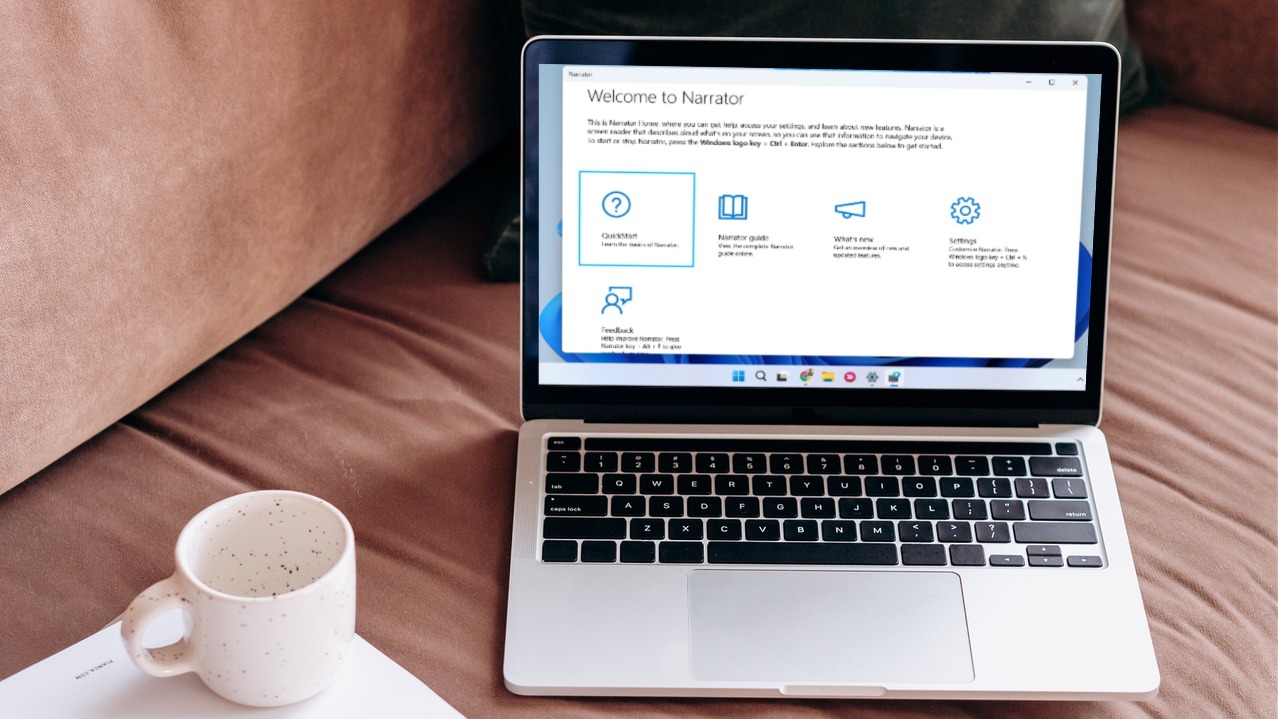 How to Make Windows 11 Read Text Out Loud With Narrator
How to Enable Narrator on Windows 11 To get started, you must first enable the Narrator tool on your Windows 11 PC.
How to Make Windows 11 Read Text Out Loud With Narrator
How to Enable Narrator on Windows 11 To get started, you must first enable the Narrator tool on your Windows 11 PC.
 4 Fixes When Google Meet Lags During a Presentation
Basic Fixes Suspend other background activities and apps - Running other background activities, like downloads, may cause lag.
4 Fixes When Google Meet Lags During a Presentation
Basic Fixes Suspend other background activities and apps - Running other background activities, like downloads, may cause lag.
 Top 7 Ways to Fix OneNote Read-Only Status
Microsoft OneNote is one of the oldest and feature-rich note-taking apps out there.
Top 7 Ways to Fix OneNote Read-Only Status
Microsoft OneNote is one of the oldest and feature-rich note-taking apps out there.
 6 Ways to Fix Microsoft Word Opens Files in Read-Only Mode in Windows 10 or 11
Fix 1: Modify File Properties If the issue in question is limited to a select few Word documents, the read-only file attribute may be enabled for those files.
6 Ways to Fix Microsoft Word Opens Files in Read-Only Mode in Windows 10 or 11
Fix 1: Modify File Properties If the issue in question is limited to a select few Word documents, the read-only file attribute may be enabled for those files.
The article above may contain affiliate links which help support Guiding Tech. The content remains unbiased and authentic and will never affect our editorial integrity.