

Method 1: Turn off Your PC and Run Automatic Repair
Step 1: Unplug all the external devices connected to your computer. Unplug your router as well. Make sure your computer can’t connect to the internet.
Step 2: Press and hold the Power button until your machine turns off.
Step 3: Press the Power button again to restart the machine. Repeat this process three times.
Step 4: After you boot up your device for the third time, let it load. The “Preparing Automatic Repair” message should appear on the screen shortly.
Step 5: Select Troubleshoot.

Step 6: Select Advanced options.

Step 7: Click on Startup Repair.

Wait for 30 minutes until the repair process is over. Enable your Internet connection afterward.
Method 2: Boot in Safe Mode and Clear the Space
Step 1: Power on your Windows device and press the F8 key repeatedly to launch the Advanced Boot Options menu.
Step 2: Select Troubleshoot.

Step 3: Click Advanced options.

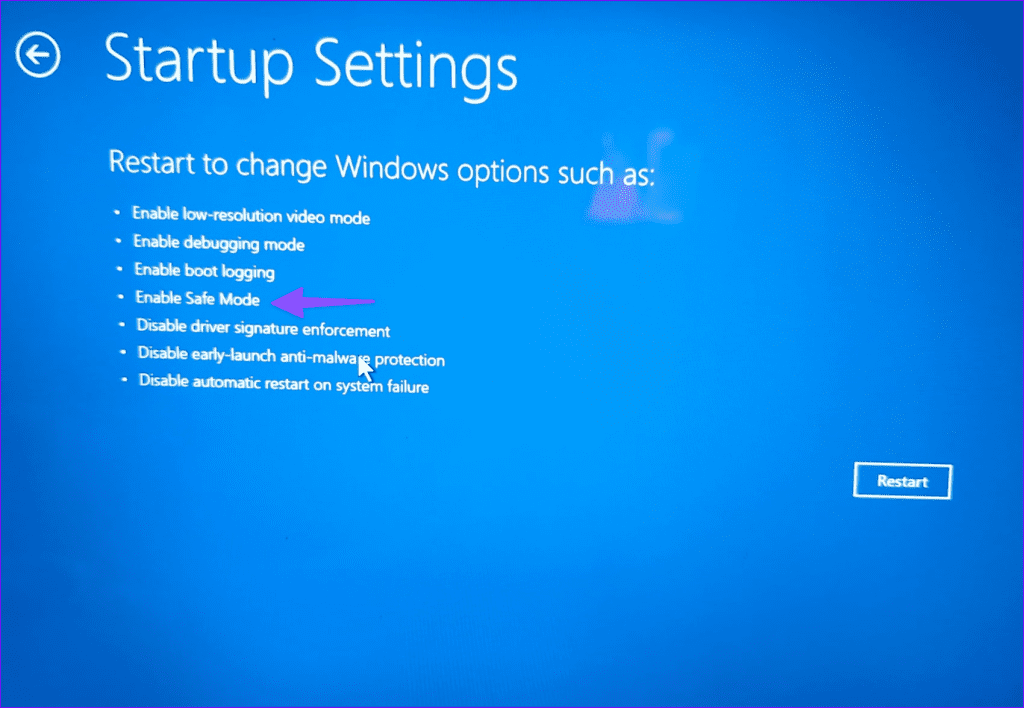
Step 4: Select Startup Settings.

Step 5: Click Enable Safe Mode.
Step 6: Once Windows boots in Safe mode, press the Windows + R keys to open the Run menu.
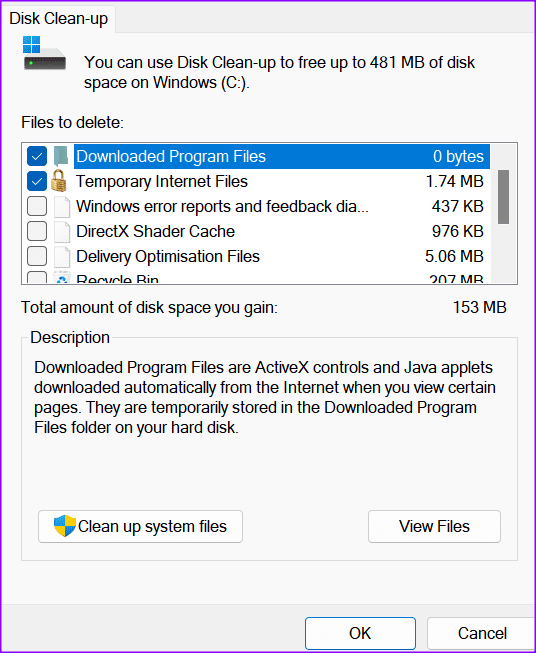
Step 7: Type cleanmgr and hit Enter.

Step 8: Select the disk you want to clean and click OK.

Step 9: Select the files you want to clean and hit OK.
Restart your computer into normal mode, and you are good to go.
Method 3: Run the SFC and DISM Scan
Step 1: Head to the Advanced options menu on your PC and select Command Prompt.

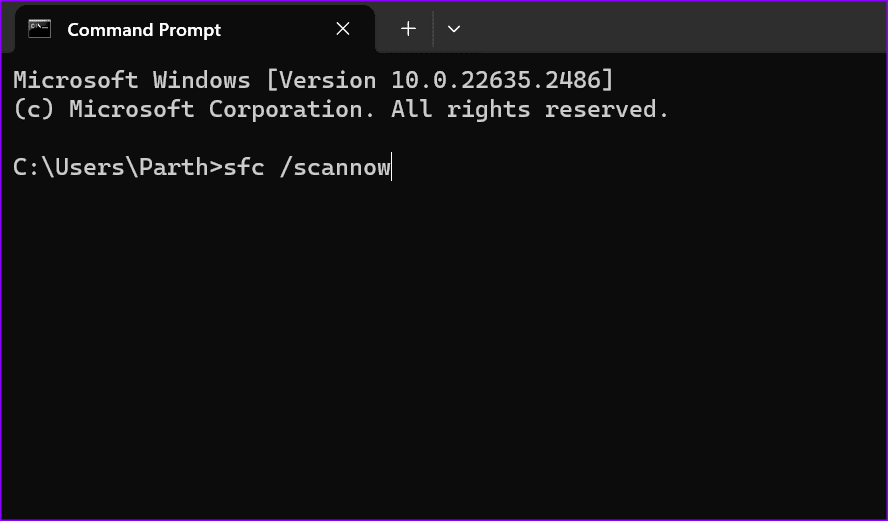
Step 2: Run the following command. Hit Enter.
sfc /scannow
Step 3: Run the following commands and press Enter after each.
Dism /Online /Cleanup-Image /CheckHealth
Dism /Online /Cleanup-Image /ScanHealth
Dism /Online /Cleanup-Image /RestoreHealth

Restart your PC and try again.
Method 4: Restore the System
Step 1: Open the Advanced options menu on Windows and select System Restore.

Step 2: Click Next.
Step 3: Check the box for Show more restore points and select the Windows restore point. Click Next.

Step 4: Hit Finish and reboot your PC as usual.
Method 5: Uninstall the Update
Step 1: Launch the Advanced options menu and select Uninstall Updates.

Step 2: Simply hit Uninstall the latest feature update.

Step 3: Enter your admin password when prompted.
Wait until your computer finishes uninstalling the update. Check if you can boot up your machine normally.
Method 6: Disable the Automatic Repair
This trick has worked for many Windows users, and it’s worth trying out on your device. Automatic Startup Repair utility launches at every system startup, and sometimes, it may prevent you from getting past the ‘Diagnosing your PC’ screen.
Step 1: Head to Advanced options and select Startup settings.

Step 2: Hit Enable Safe Mode.

Step 3: Press the Windows + R keys to open the Run menu and hit cmd. Click OK.
Step 4: Run the following command and press Enter.
bcdedit /set recoveryenabled NO

Reboot your PC.
Method 7: Use a USB Recovery Drive
If your PC won’t boot up, you can use a USB recovery drive to fix the problem. You need a 16GB USB flash drive to create and store a recovery image. If you don’t have a recovery image, you can create one using a second computer.
Step 1: Press the power button to turn off your machine.
Step 2: Insert your recovery USB drive into your computer.
Step 3: When prompted, select the option that allows you to boot up your machine from the USB drive instead of your hard drive.
Step 4: Select Recover from a drive to reinstall the OS from the bootable USB drive.

Step 5: Select the Recover option to launch the process.
Wait until your device reinstalls Windows.
One of the buggy-installed programs can be the main culprit here. Once you get past the ‘Diagnosing your PC’ error, uninstall unnecessary apps from your PC. It fixes Windows glitches and also frees up space on your device.
Was this helpful?
Last updated on 18 July, 2024
Read Next
 6 Best Fixes for Windows 10 Stuck in Automatic Repair Loop
Windows 10 PC runs fun until a bad system update, a corrupted file, and even a driver update can cause your it to stop working abruptly.
6 Best Fixes for Windows 10 Stuck in Automatic Repair Loop
Windows 10 PC runs fun until a bad system update, a corrupted file, and even a driver update can cause your it to stop working abruptly.
 13 Best Tips to Get Started with Microsoft Loop
Tip 1: Create a Workspace and Manage Pages Content organization is a bit different on Microsoft Loop as it tends to focus on co-creation and collaboration.
13 Best Tips to Get Started with Microsoft Loop
Tip 1: Create a Workspace and Manage Pages Content organization is a bit different on Microsoft Loop as it tends to focus on co-creation and collaboration.
 How to Loop a Song on Spotify without Manual Intervention
How to Put a Song on Repeat in the Spotify App on a PC Quick Tip: You can use keyboard shortcuts to enable repeat on the desktop player: Ctrl +
How to Loop a Song on Spotify without Manual Intervention
How to Put a Song on Repeat in the Spotify App on a PC Quick Tip: You can use keyboard shortcuts to enable repeat on the desktop player: Ctrl +
 Microsoft Loop vs. Notion: Which Productivity Tool Is Better
Microsoft Loop vs.
Microsoft Loop vs. Notion: Which Productivity Tool Is Better
Microsoft Loop vs.
 Top 7 Ways to Fix Windows Key Not Working on Windows 10
Windows 10 operating system is full of keyboard shortcuts.
Top 7 Ways to Fix Windows Key Not Working on Windows 10
Windows 10 operating system is full of keyboard shortcuts.
 2 Ways to Fix Discord Not Opening on Windows 10 and Windows 11
Try Basic Fixes End Discord processes: Press Ctrl + Shift + Esc to launch the Task Manager.
2 Ways to Fix Discord Not Opening on Windows 10 and Windows 11
Try Basic Fixes End Discord processes: Press Ctrl + Shift + Esc to launch the Task Manager.
 5 Ways to Fix Error 0x8007003B on Windows 10 and Windows 11
Fix 1: Check Disk Format Windows may throw the error 0x8007003B message while transferring large files over a network if the destination drive is FAT32 formatted.
5 Ways to Fix Error 0x8007003B on Windows 10 and Windows 11
Fix 1: Check Disk Format Windows may throw the error 0x8007003B message while transferring large files over a network if the destination drive is FAT32 formatted.
 9 Ways to Open Task Manager on Windows 10 and Windows 11
Task Manager is one of the most commonly used programs on Windows, regardless of its version.
9 Ways to Open Task Manager on Windows 10 and Windows 11
Task Manager is one of the most commonly used programs on Windows, regardless of its version.
The article above may contain affiliate links which help support Guiding Tech. The content remains unbiased and authentic and will never affect our editorial integrity.