
Most of us read more than we think. Much of that reading happens on our mobile phones, in small time intervals between notifications and other distractions. An interesting news alert pulls us away, and sometimes, it’s the group chat that suddenly gets interesting.
The result? By the end of the day, we have read a little and scrolled a lot!
Thankfully, we now have pocket e-readers to solve this problem. They are tiny E-Ink screens, smaller than your phone. They’re built for just one job: to make sure you read without distractions.
What a Pocket E-Reader Actually Is
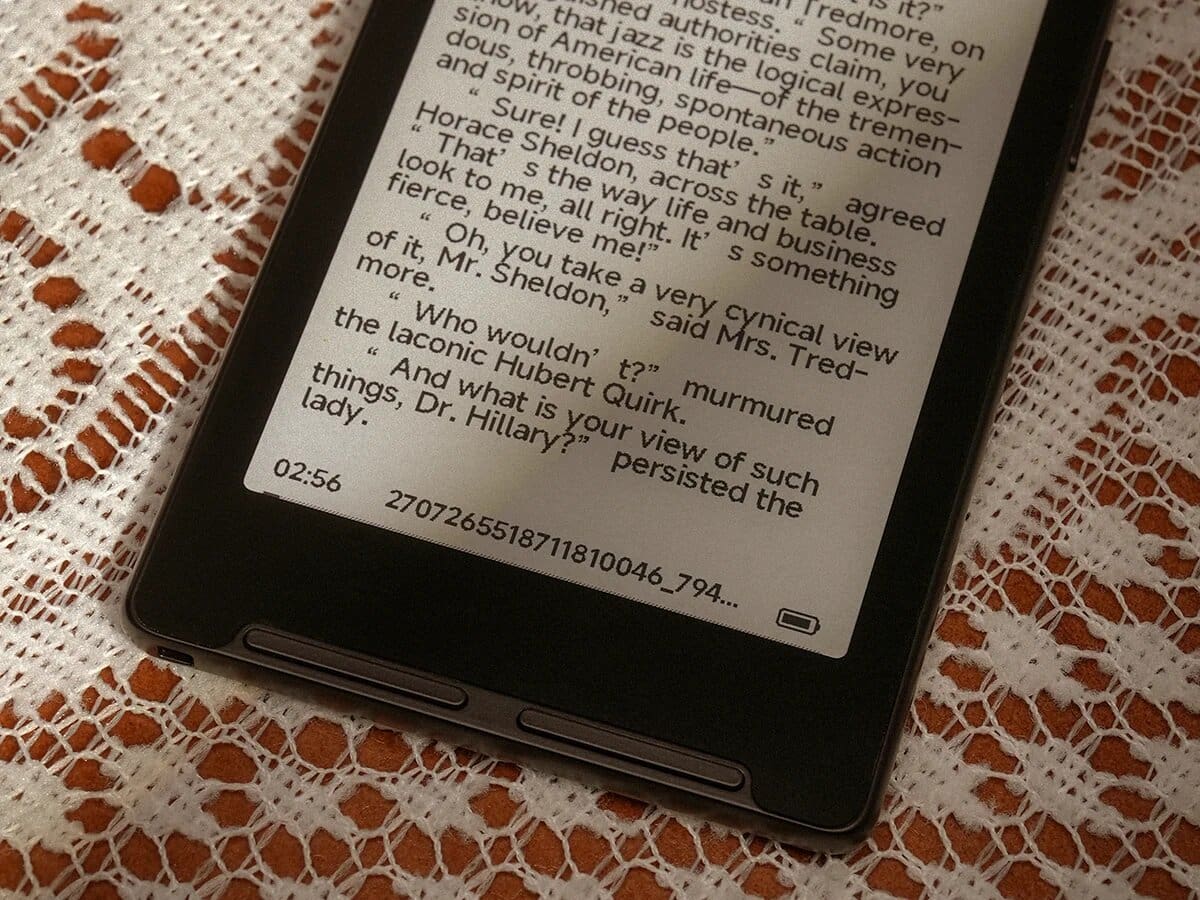
A pocket e-reader uses the same E-Ink technology as larger e-readers like Kindle. The screen reflects light like paper, which makes it easy to read in sunlight or almost any other place. It also means their batteries last much longer than your phone’s.
The actual difference is size. Standard e-readers have screens between 6 and 7 inches, while pocket models are much more compact. They come in under 4.5 inches, and some weigh even less than 60 grams. This makes carrying them a breeze.
Thankfully, several brands are now making them.
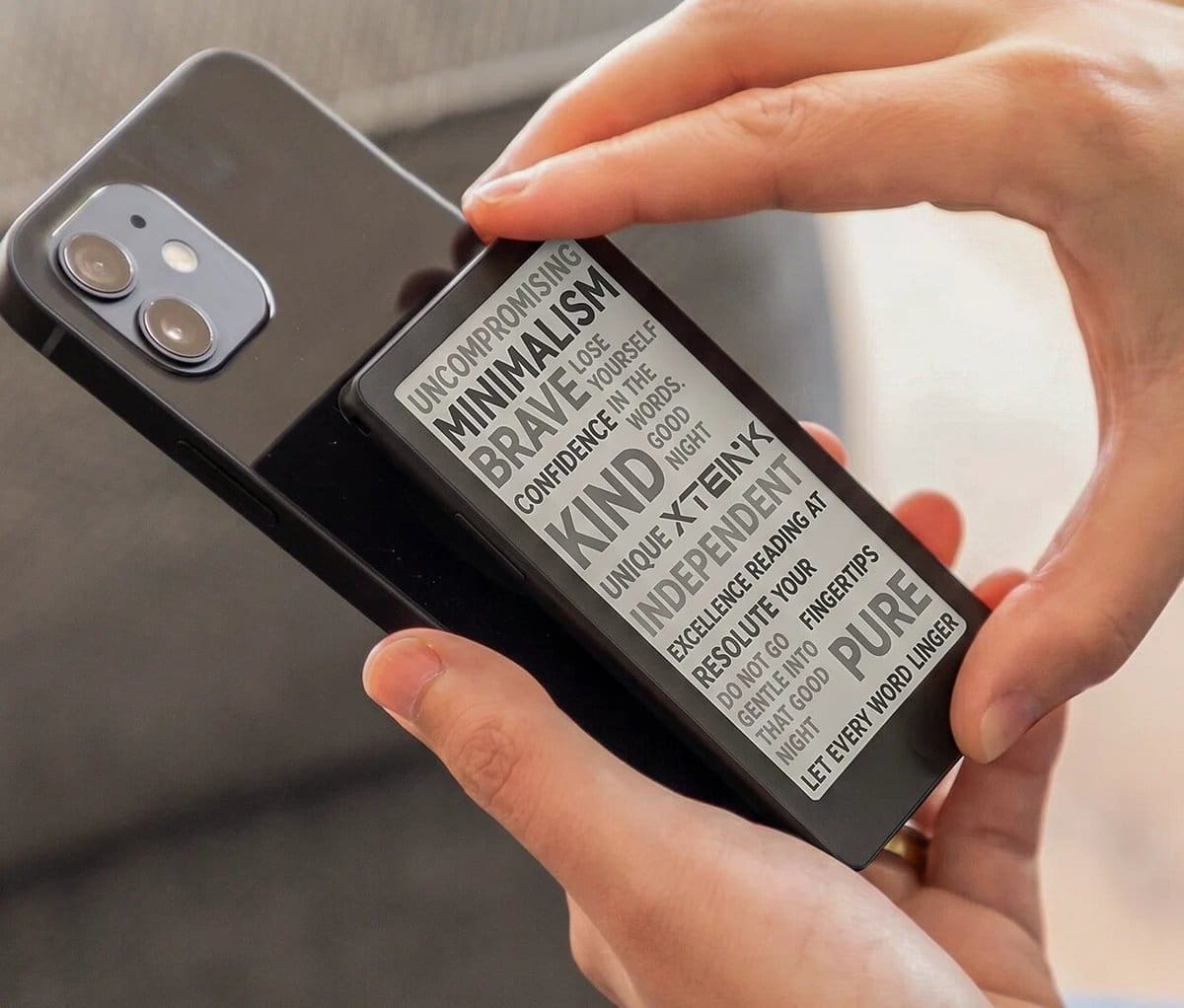
BOOX offers the Picco, a 3.97-inch reader with a front light that attaches to a phone through a magnetic case. XTEINK sells a lineup that includes the X3, X4 Classic, and X4 Pro, all of which can magnetically attach to the back of a compatible phone.
You can read on them while they are attached to your phone, or you can take them off and use them on their own.
Who They Are, and Are Not, For
Pocket e-readers make perfect sense for people who want to read in short bursts, such as on a train, in a waiting room, or while standing in line for coffee. The reason is as simple as it gets. Since the device is always with you, you can simply read instead of scrolling.
Larger e-readers offer more screen space, which can make them more comfortable for extended reading sessions. Pocket models take a different approach, prioritizing portability and convenience so you can read whenever you have a spare moment.
Many avid readers today use both. They keep a larger device at home and carry a small one with them throughout the day.
The Biggest Question: Where Do Your Books Come From?
This is the thing most buyers overlook, and it truly matters more than screen size.
Kindle and Kobo devices have their own bookstores. You buy a book, and it simply appears on your device. However, moving purchased ebooks between brands depends on their file formats and DRM restrictions. Books bought from the Kindle Store may have DRM protection that prevents them from being opened on other brands’ devices.
Pocket e-readers work differently.
They do not have their own built-in stores. Instead, you have to add your own files in supported formats.
XTEINK’s readers, for instance, support EPUB and TXT directly, while PDF and MOBI files need converting through its app.
If you’re unfamiliar with transferring books between devices, you can also check out these guides on adding ebooks to the Kindle app and uploading PDF and EPUB files to Google Play Books.
Features That Make a Real Difference
When you’re comparing models, a few features matter more than others.
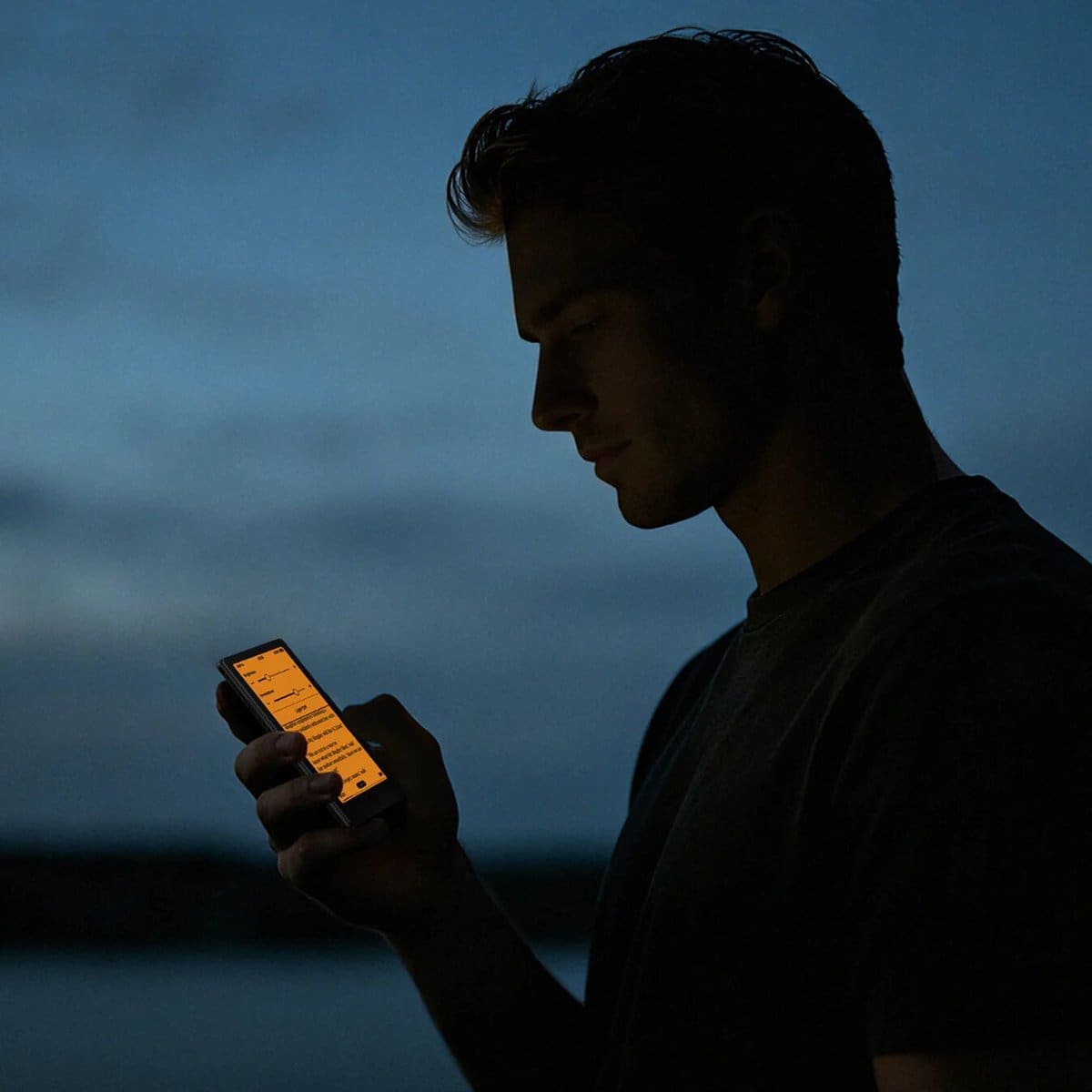
Front Light: Some pocket readers come with a light, while others leave it out to save weight and cost. With a built-in light, you can read in bed or in the dark.
Controls: Most readers offer physical page-turn buttons that make one-handed reading easier, especially when commuting. Some offer touchscreens, while others provide both.
File Transfer: Most pocket readers use phone apps, memory cards, or a USB cable. Before buying, check how simple this process is, as you’ll be doing it often.
Magnetic Fit: If a reader attaches to your phone, test it with your own phone and case. It’s also something you should consider before buying.
For readers considering an XTEINK pocket e-reader this Black Friday, the X3 is priced at $55, and the X4 Classic starts at $59. The X4 Pro is also offered at 15% off its $99 price, bringing it to $84.15. These offers run through November 30, 2026; check the official XTEINK store for availability, eligibility, and the final checkout price.
Was this helpful?
Last updated on 27 November, 2026
Read Next
 6 Best USB-C SD Card Readers That You Can Buy
It's safe to say that USB-C is the new charging/transfer medium for majority of gadgets.
 Phantom Blade Zero on PC: Where to Buy, How to Redeem and What to Check Before You Pay
Critics got to Phantom Blade Zero before players did, and the scores are strong: 88 on Metacritic, 90 from IGN, and a 92 average on OpenCritic, per VICE.
 5 Best Windows Hello USB Fingerprint Readers for Your PC
A Windows Hello USB fingerprint reader can make the mundane task of logging in to your Windows PC an easy and convenient affair.
 The Best E-readers for Enjoying Your Favorite Books by the Pool
Sitting by the pool while sipping a glass of Pina Colada with your favorite book by your side is the perfect way to unwind on holiday.
 Top 4 PDF Readers with Night Mode
After a long day of work or while late at night, our eyes do need some much-needed respite from the otherwise strong glare on our screens.
 Xiaomi 14 Review: Almost Leica DSLR in Your Pocket
Over the past few years, most smartphone brands have focused (no pun intended) on improving one aspect -- cameras.
 5 Ways to Stop iPhone From Pocket Dialing
Basic Ways: Ensure your phone is locked when putting it away: An effective way to prevent pocket dialing on your iPhone is by using the power button to lock your
 Why an eSIM Beats Pocket Wi-Fi for United States Travel
Pocket Wi-Fi rentals ask travelers to collect a small router at an airport counter, carry it all day, and return it before the flight home.
The article above may contain affiliate links which help support Guiding Tech. The content remains unbiased and authentic and will never affect our editorial integrity.