


Basic Fixes:
- Wait for some time: Due to a large number of user requests, Facebook servers might get jammed and delay sending a verification code. If so, wait for a few minutes before checking your messages or email inbox again.
- Check spam or archive folder: There can be times when your email provider identifies certain emails as spam and slots them in the Spam folder. To ensure this is not the case, check the Spam and even the Archive folder of your email application for the Facebook security code.
- Check Facebook server status: If Facebook servers are having a rough day, you won’t receive any verification code. You can visit Downdetector and search for Facebook. If issues have been detected, you’ll need to wait for Facebook to fix the server issues.
- Disable VPN: Facebook sometimes detects another IP location and asks for a verification code to confirm your identity. You should disconnect your VPN on your phone or desktop and try signing into your Facebook account again.
Fix 1: Use WhatsApp to Receive the Verification Code
If you’re using the same phone number for your Facebook and WhatsApp accounts, you can ask to receive a verification code on WhatsApp instead of your email. This can help if you currently don’t have access to your email account or are unable to receive the security code. Here’s how to do it.
Step 1: Open Facebook’s Find Your Account page on any web browser.
Step 2: Enter the email or mobile number associated with your Facebook account and click on Search.

Step 3: If Facebook prompts you to send to code to your email, click on Try another way.

Step 4: If available, select WhatsApp from the options and click on Continue.

Check your WhatsApp for the code and use the on-screen instructions to sign in to Facebook again. You can also use this method via a mobile browser.
Fix 2: Try Using a Different Device or Mobile Browser
There can be times when you have issues receiving the security code on a particular device due to certain reasons. To ensure this is not the case, try using a different device, like a laptop or mobile browser, and request the security code again from Facebook.
Also Read: How to login into Facebook with Instagram
Fix 3: Request the Code via SMS
If you have set up Facebook texts, you can also request a new code or contact Facebook help via SMS. All you need to do is text OTP to 32655 (FBOOK) from your registered mobile number. If you would like to contact Facebook help, text HELP to 32655 (FBOOK) and wait for Facebook to get back to you.
How to Bypass Facebook Verification Codes Using an Authenticator App
Once you get a security code and access your Facebook account, you should set up 2FA (two-factor authentication) for Facebook via the authentication app. This will help ensure you don’t get locked out again in the future. Here’s how to do it.
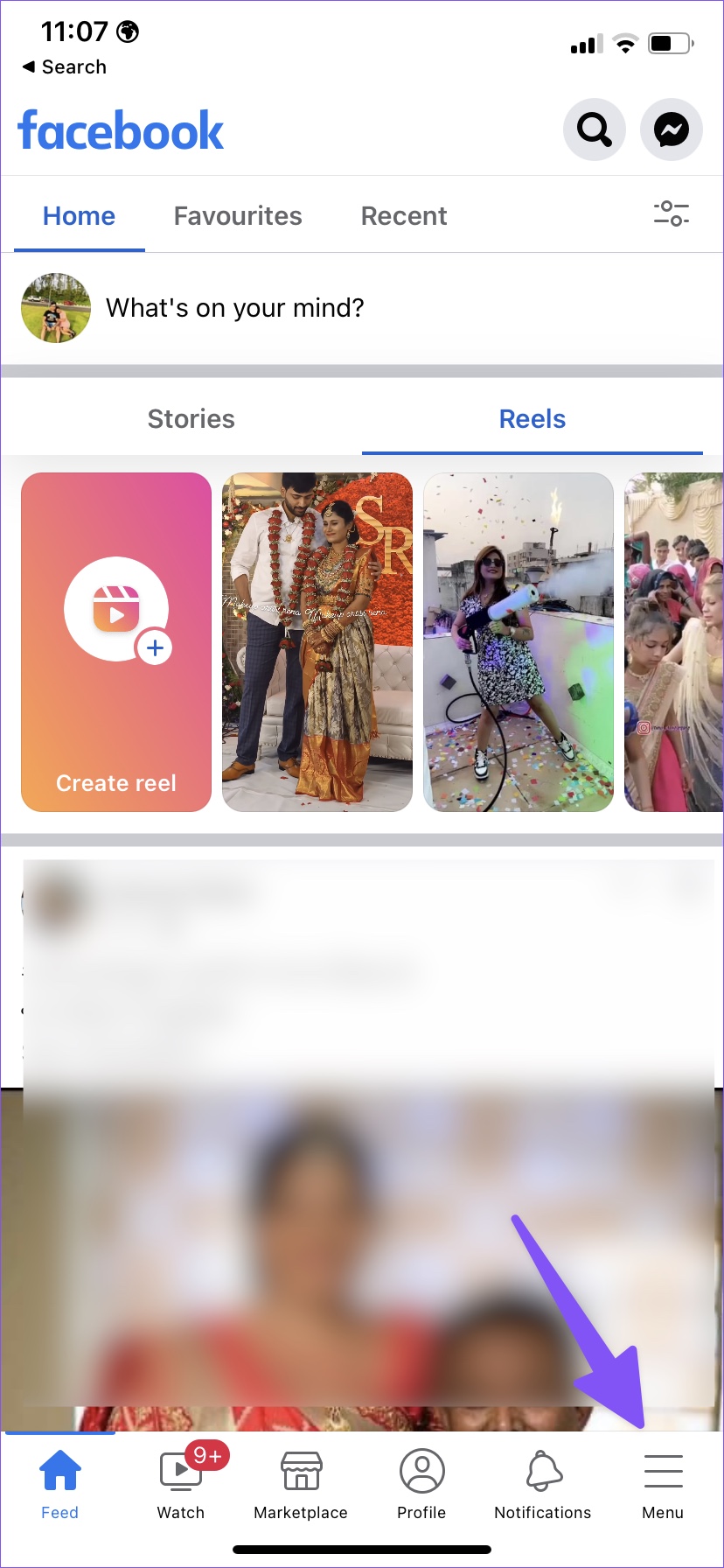
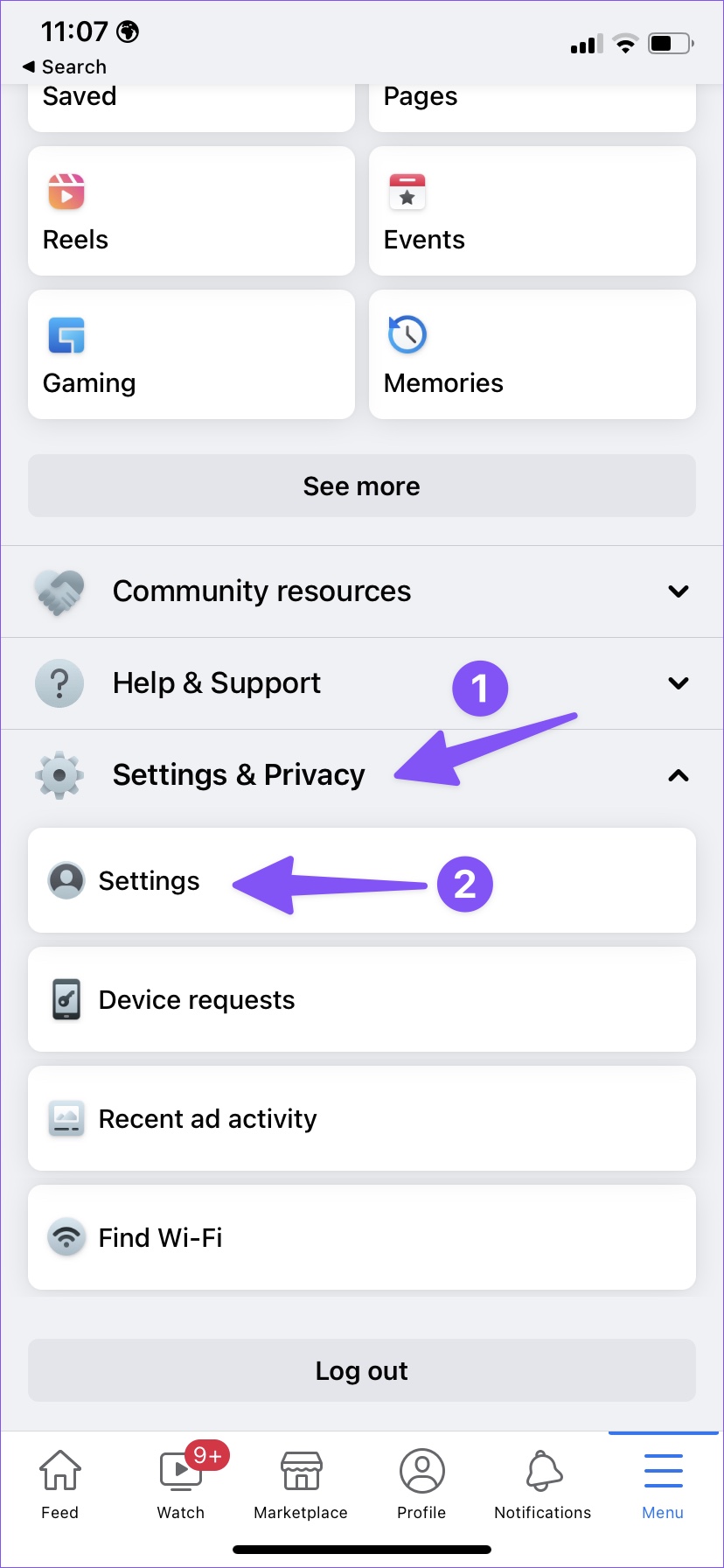
Step 1: Open Facebook and select Menu. Expand Settings & Privacy and tap on Settings.
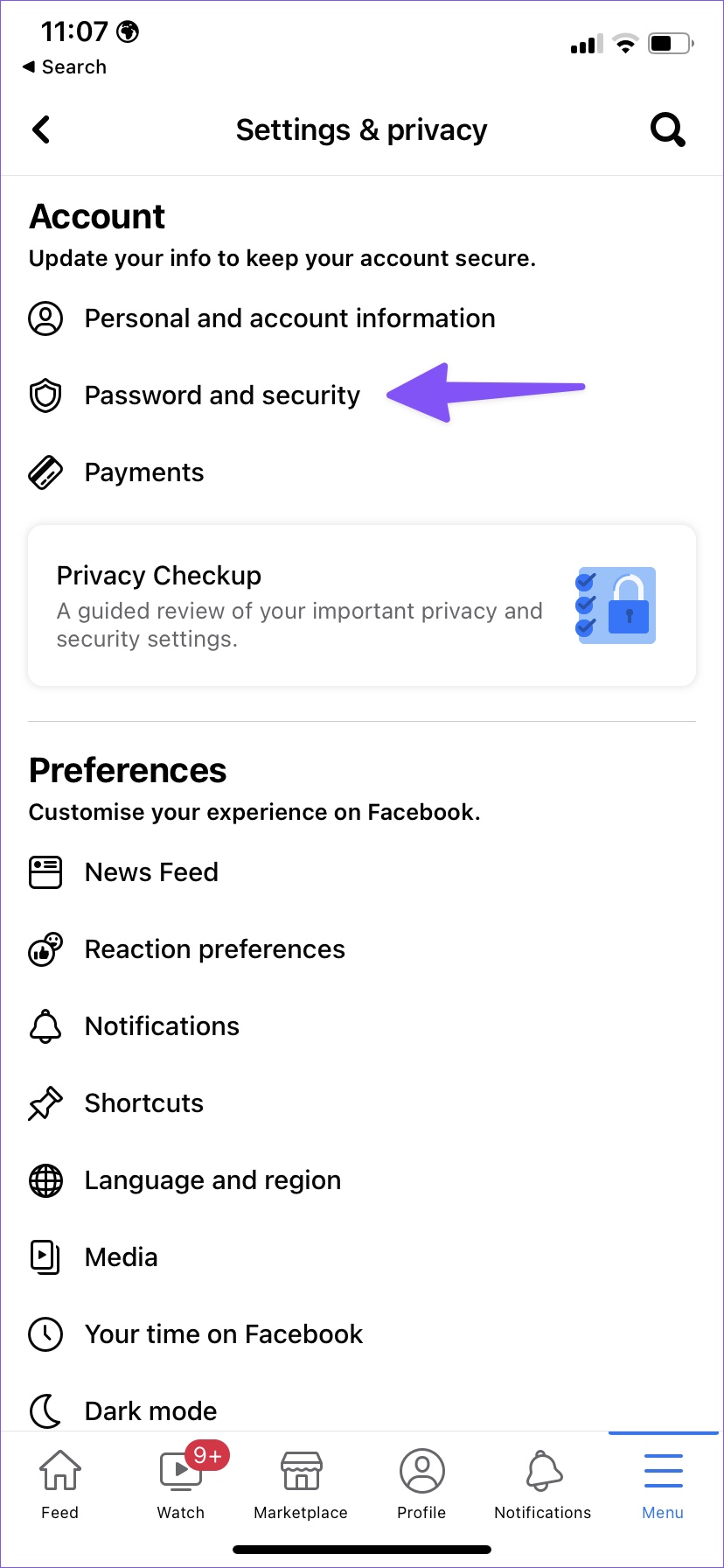
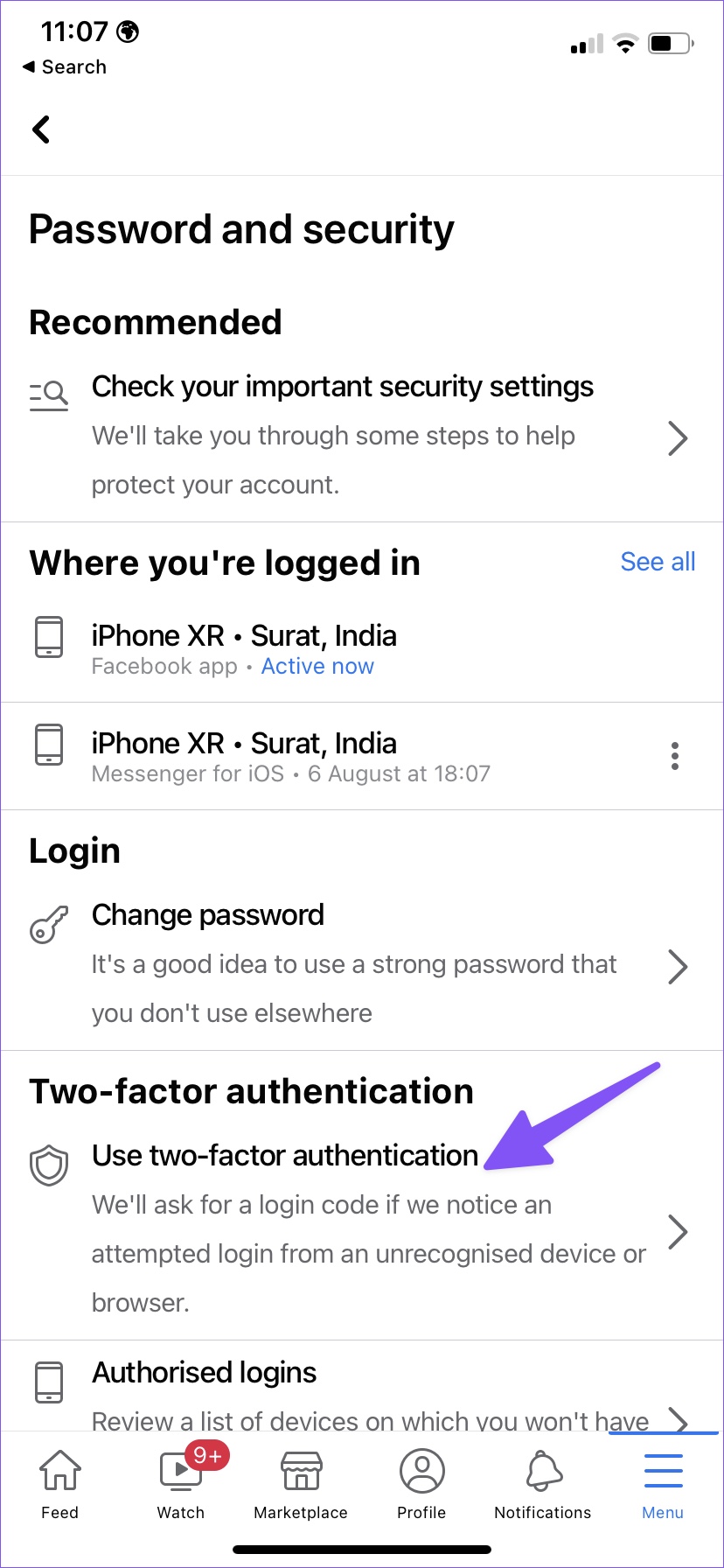
Step 2: Tap Password and security. Select Use two-factor authentication.
Step 3: Select the Authentication app option and hit Continue.


Follow the on-screen instructions to set up 2FA via a third-party authenticator. If you’ve set up the 2FA via the Microsoft Authenticator app, you can move it to any other phone when required.
Was this helpful?
Last updated on 22 July, 2024
2 Comments
Leave a Reply
Read Next
 Top 4 Ways to Fix Instagram Not Sending a Security Code
https://youtu.be/N1KvHzjClJA Preliminary Fixes Check the Network Connection: A weak or unstable internet connection can prevent Instagram from sending security codes.
Top 4 Ways to Fix Instagram Not Sending a Security Code
https://youtu.be/N1KvHzjClJA Preliminary Fixes Check the Network Connection: A weak or unstable internet connection can prevent Instagram from sending security codes.
 4 Ways to Fix Snapchat Not Sending a Security Code
Basic Fixes: Check Snapchat server status: If Snapchat's servers are not working properly, it can cause the security code not to come through.
4 Ways to Fix Snapchat Not Sending a Security Code
Basic Fixes: Check Snapchat server status: If Snapchat's servers are not working properly, it can cause the security code not to come through.
 Top 4 Ways to Fix Google Not Sending a Security Code
Preliminary Fixes Check the Network Connection: A stable internet connection is essential for receiving security codes via email.
Top 4 Ways to Fix Google Not Sending a Security Code
Preliminary Fixes Check the Network Connection: A stable internet connection is essential for receiving security codes via email.
 2 Ways to Fix Epic Games Not Sending a Security Code
Basic Fixes: Check network connection: If your phone has a spotty network connection, you may not receive a security code from Epic Games via email or SMS.
2 Ways to Fix Epic Games Not Sending a Security Code
Basic Fixes: Check network connection: If your phone has a spotty network connection, you may not receive a security code from Epic Games via email or SMS.
 2 Ways to Fix Discord Not Sending a Security Code
Basic Troubleshooting Double-check the number and country code: A silly mistake could be causing the issue.
2 Ways to Fix Discord Not Sending a Security Code
Basic Troubleshooting Double-check the number and country code: A silly mistake could be causing the issue.
 3 Ways to Fix PayPal Not Sending a Security Code
Before we talk about troubleshooting tricks, let’s understand why PayPal is asking for a security code in the first place: When you use a new device to use PayPal, it
3 Ways to Fix PayPal Not Sending a Security Code
Before we talk about troubleshooting tricks, let’s understand why PayPal is asking for a security code in the first place: When you use a new device to use PayPal, it
 2 Ways to Fix Microsoft Not Sending a Security Code
Basic Fixes: Double-check contact information: If you haven't selected the correct country code for your number or are missing a digit, Microsoft can't send you the security code.
2 Ways to Fix Microsoft Not Sending a Security Code
Basic Fixes: Double-check contact information: If you haven't selected the correct country code for your number or are missing a digit, Microsoft can't send you the security code.
 Top 4 Ways to Fix Facebook Messenger Not Sending Pictures
Preliminary Fixes Check the Network Connection: A stable internet connection is crucial for sending pictures on Messenger.
Top 4 Ways to Fix Facebook Messenger Not Sending Pictures
Preliminary Fixes Check the Network Connection: A stable internet connection is crucial for sending pictures on Messenger.
The article above may contain affiliate links which help support Guiding Tech. The content remains unbiased and authentic and will never affect our editorial integrity.


I’m not receiving my codes when Facebook is sending them to me on my email or on my telephone why
Im not getting my codes when Facebook is sending it to my phone?